
Description
Technical Overview
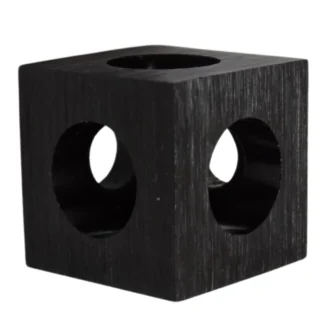
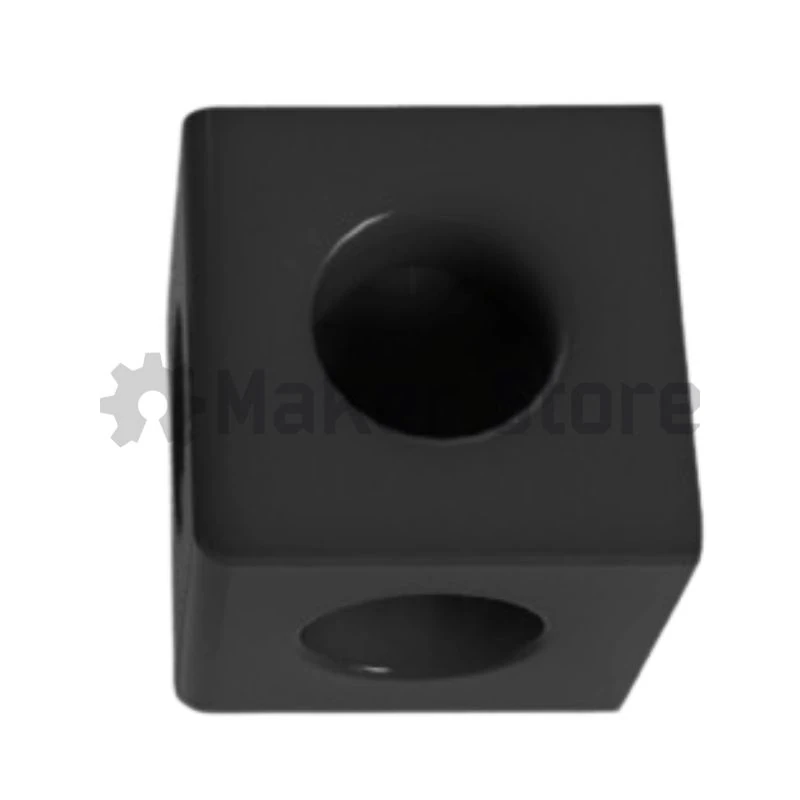
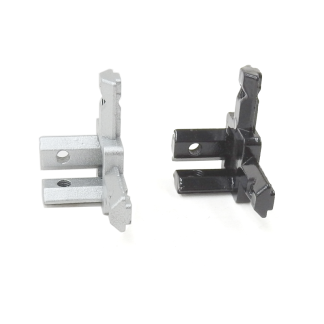
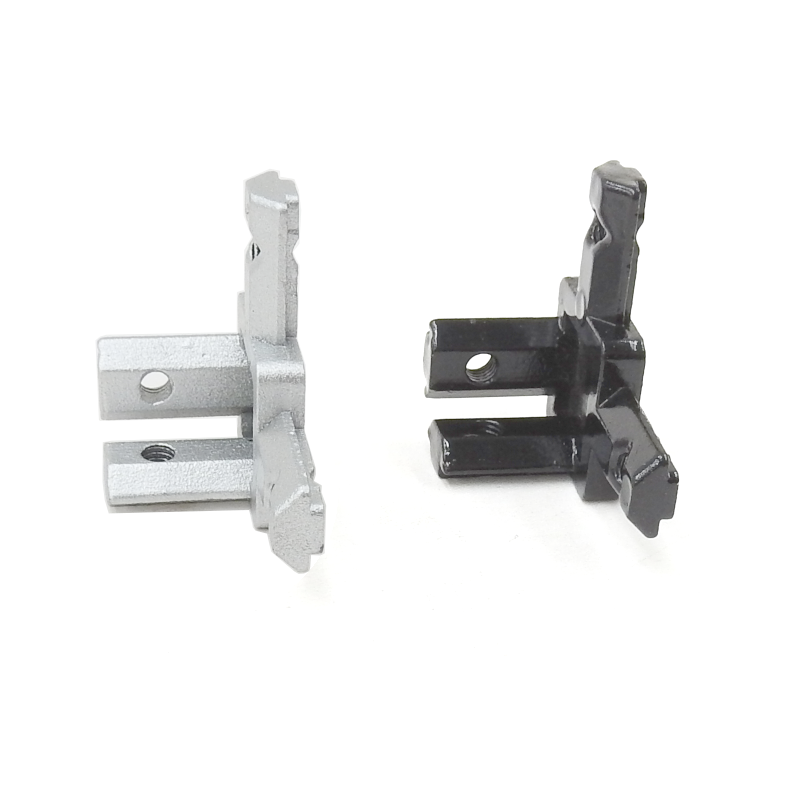
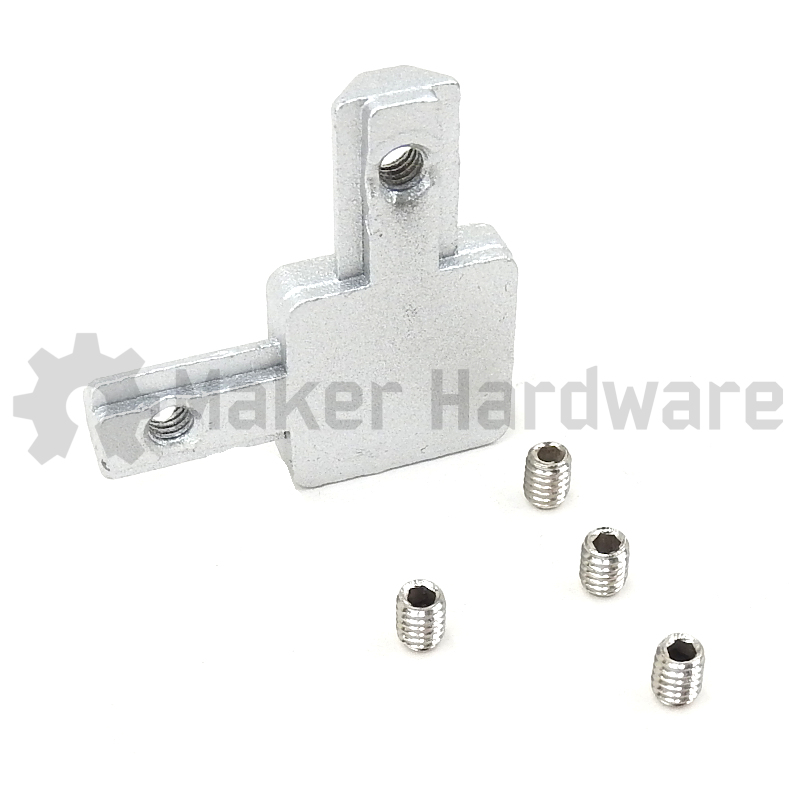
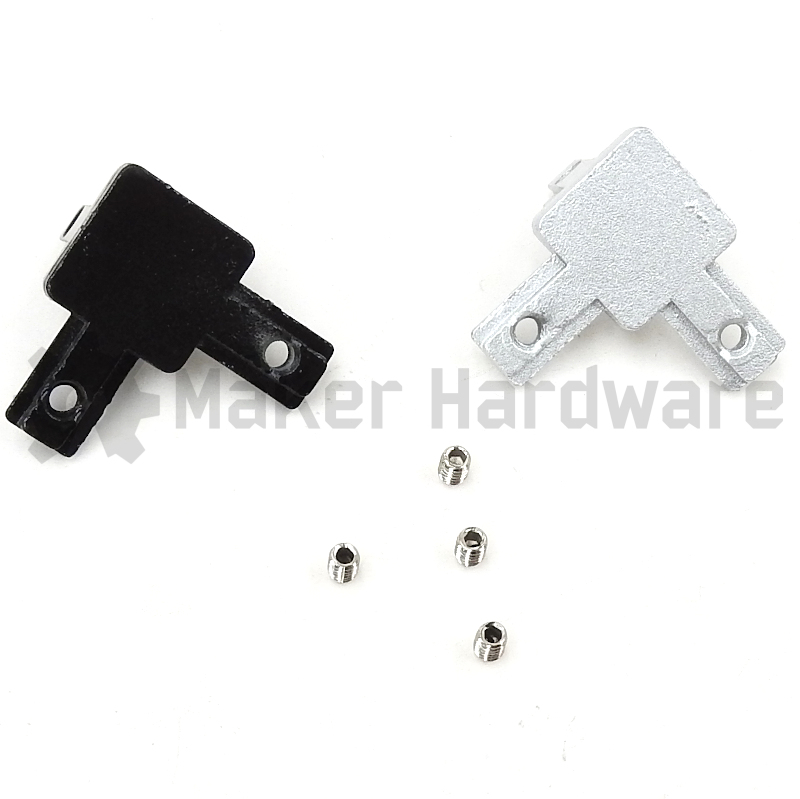
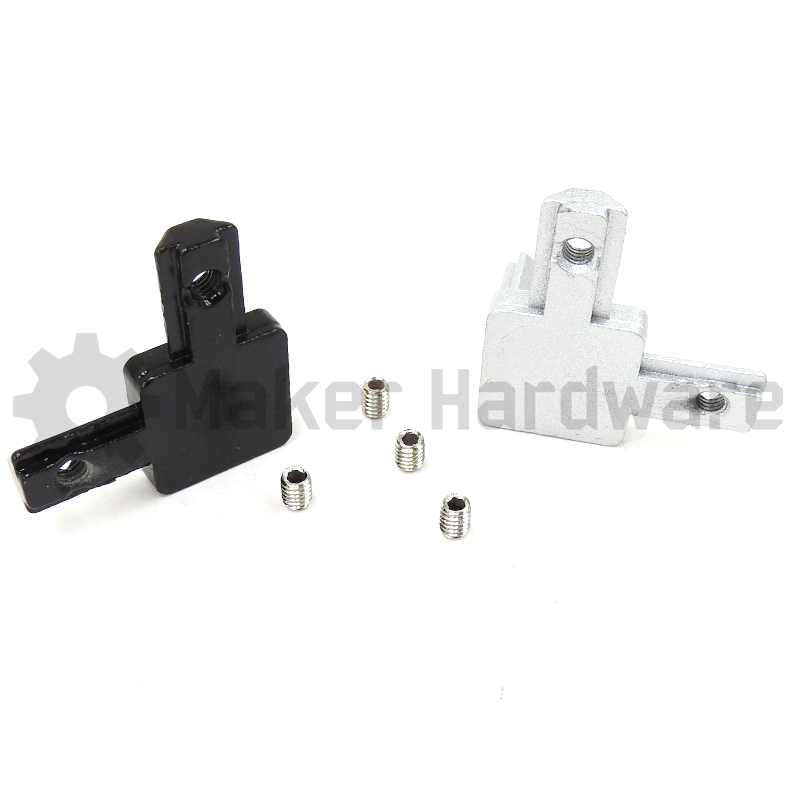
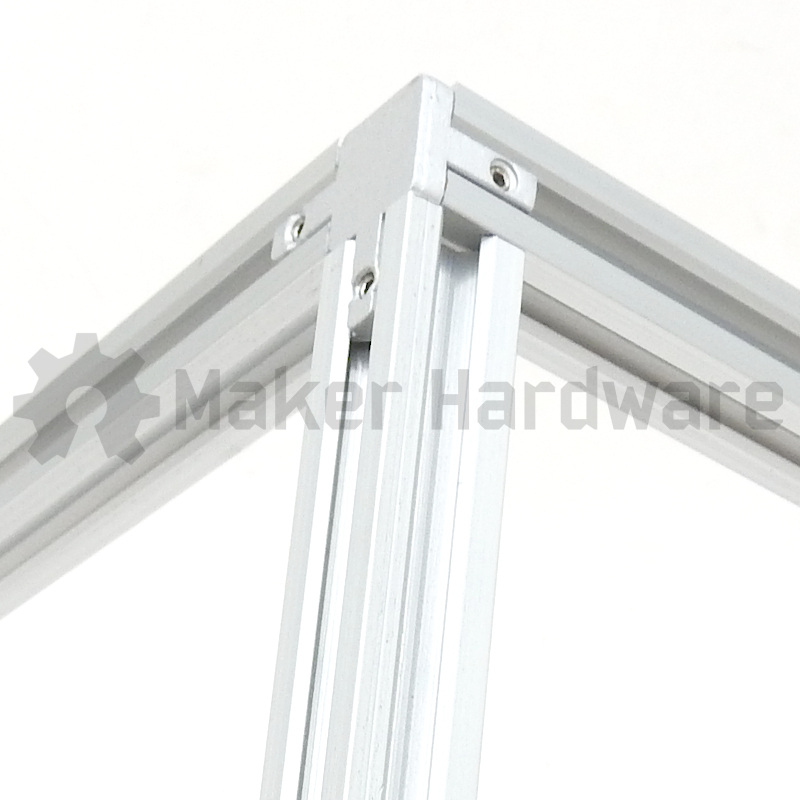
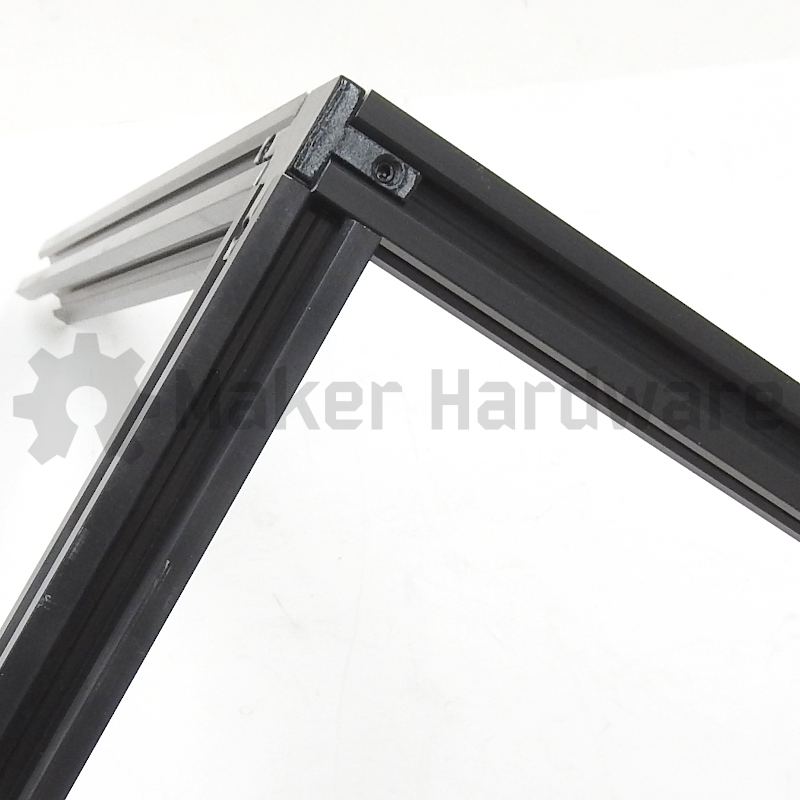
The 3-Way Corner Bracket 2020 connects three aluminum profiles at a rigid 90-degree intersection. For this reason, structural framing assemblies and desktop machinery frequently rely on it. Builders manufacture this three-dimensional hardware element from robust cast aluminum. Consequently, it establishes clean, steady joints and maintains an optimized aesthetic profile. Specifically, engineers designed this component to streamline machine builds. It achieves this goal by minimizing assembly time and reducing structural clutter at primary frame corners.
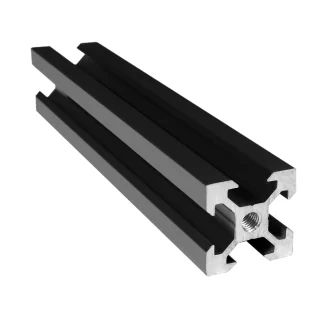
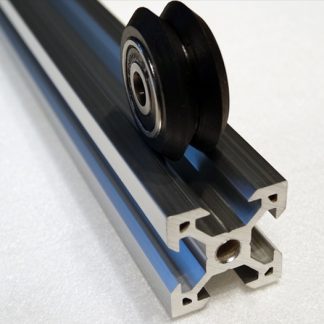
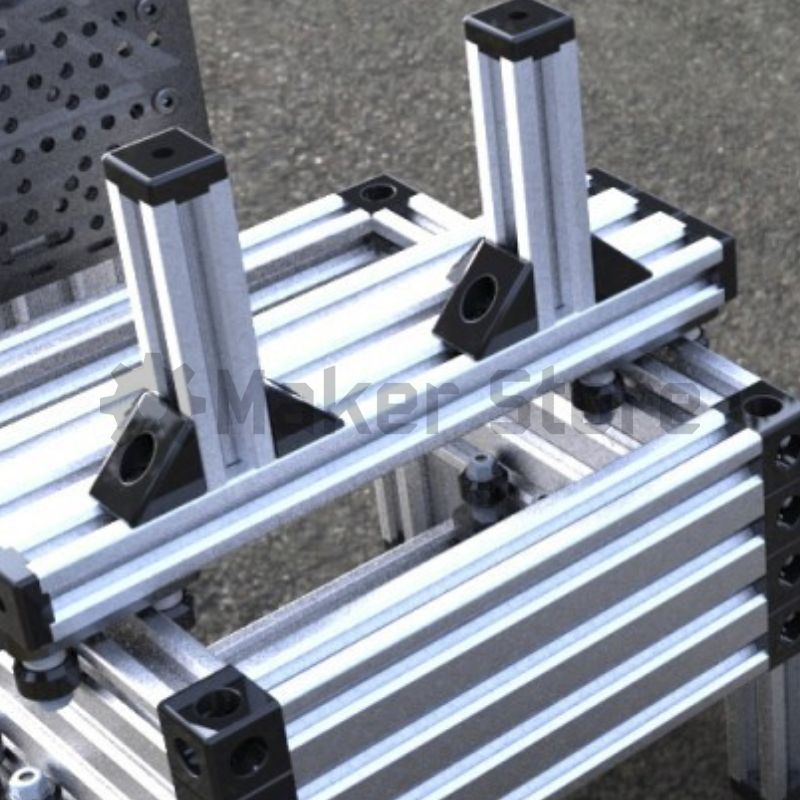
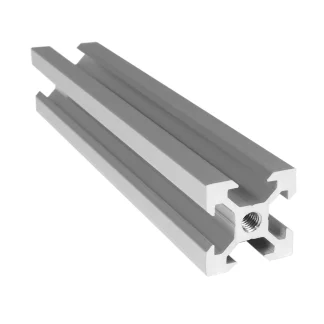
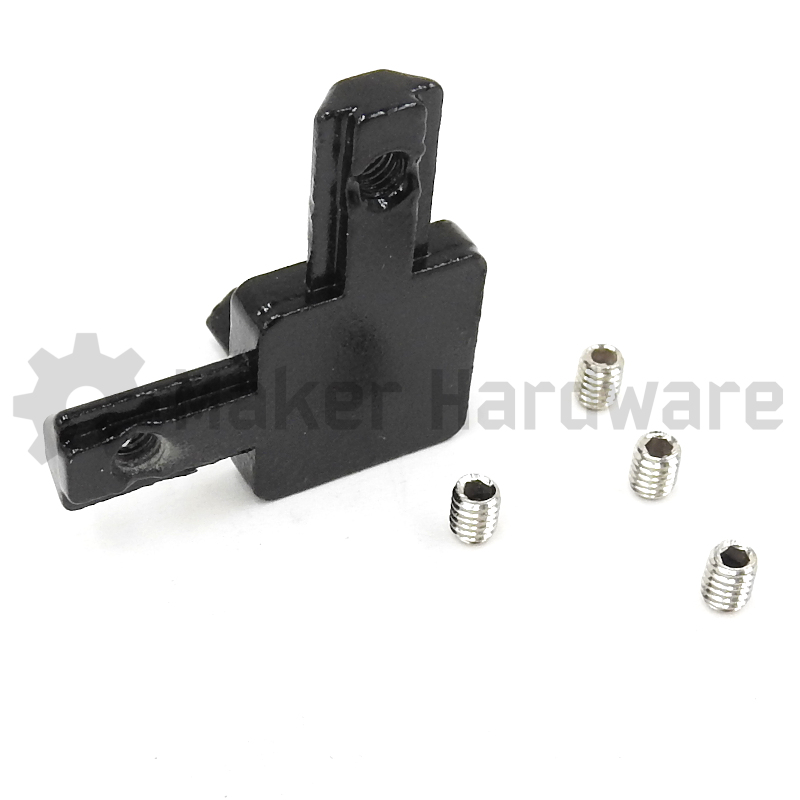
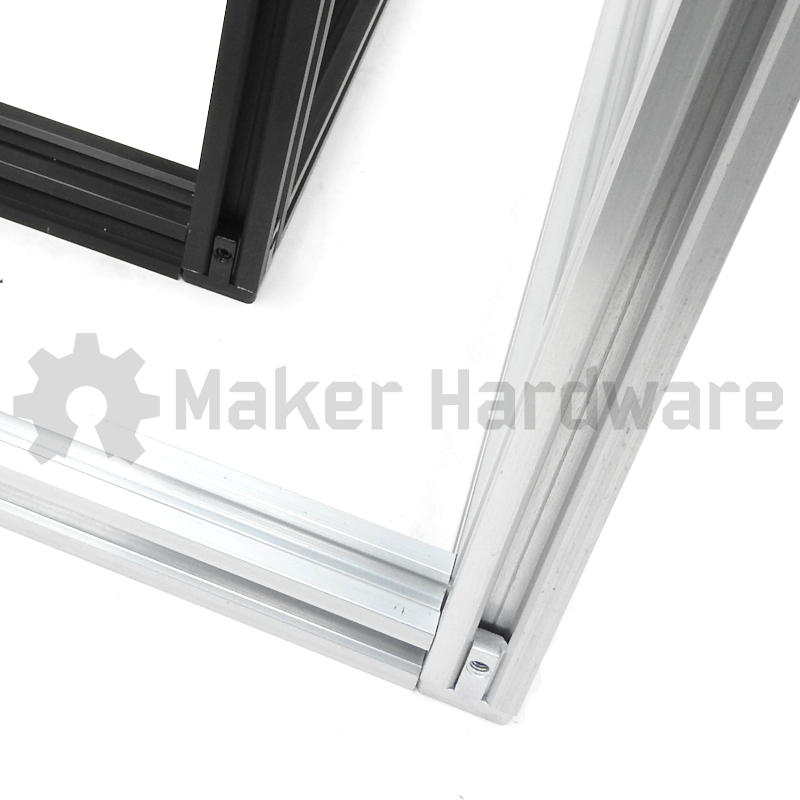
To integrate the component into a system, you simply slot the corner bracket directly into the open alignment channels. These channels belong to three intersecting standard 2020 T-Slot or V-Slot aluminum extrusions. Next, you secure the hardware firmly into place using four integrated M4 6mm grub screws. This internal fastening methodology completely hides the hardware. Therefore, it leaves the external faces of the structural assembly clean and free of bulky external reinforcement plates. As a result, this design ensures a flush corner layout that will not obstruct additional hardware or dynamic motion paths.
Applications
Operators primarily utilize this multi-axis connection bracket within specialized CNC machinery and desktop laser engraving units. Furthermore, they install it in automated multi-axis sliders and custom 3D printers. In structural frame design, this element plays a critical role. For example, it forms the rigid upper and lower corner junctions of cuboid machine frames. In those areas, three separate linear axes must meet at absolute right angles.
In addition to basic desktop equipment enclosures, technicians implement these structural cast connectors across automated instrumentation frames. They also use them in safety guarding assemblies and custom material handling fixtures. Moreover, the universal geometry ensures seamless compatibility with diverse V-Slot and T-Slot linear rail systems. Ultimately, because it resists twisting forces across all three planes, it serves as an excellent foundational component. It successfully creates lightweight, high-stiffness structural frames that require steady multi-axis support.
Technical Specifications
Maker Store Tips and Tricks
-
When planning your frame geometry, remember that one of the three converging extrusions must be cut 5mm shorter than its planned axis length to accommodate the center spacing block of the bracket. For example, for an overall target length of 500mm, your aluminum profile should be cut to exactly 495mm.
-
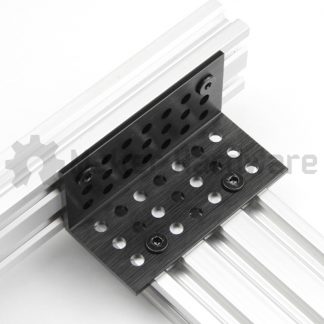
If your application is subjected to extreme loads, high vibration, or rapid dynamic motion, reinforce this joint by adding three standard 90-degree Angle Corner Connectors alongside matching M5 Low Profile Screws and sliding T-Nuts.
-
Ensure your profile ends are cut perfectly square at 90 degrees before sliding them onto the bracket to prevent structural misalignment during final assembly.