Introduction
Choosing the right M5 screw isn’t just about thread size.
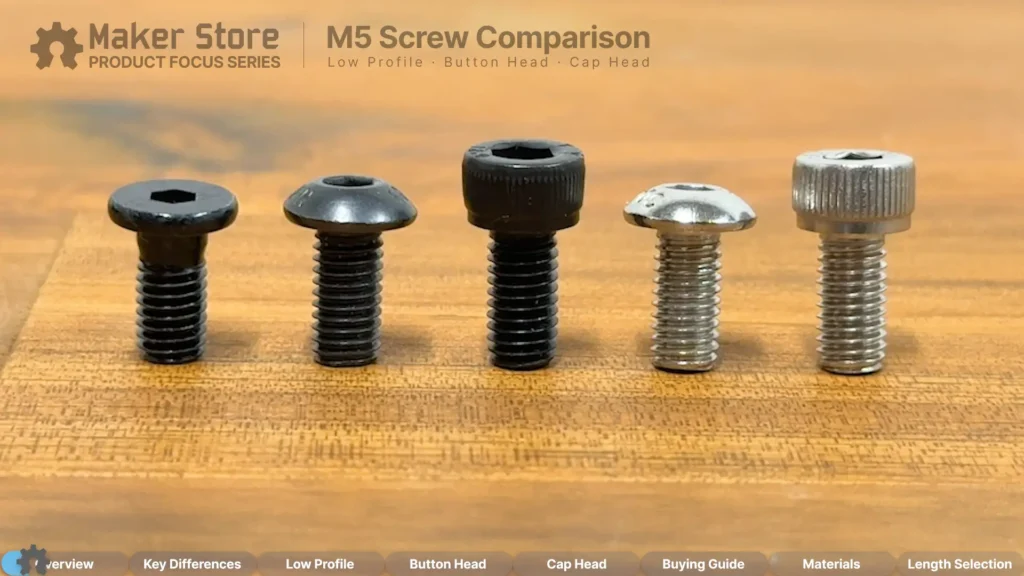
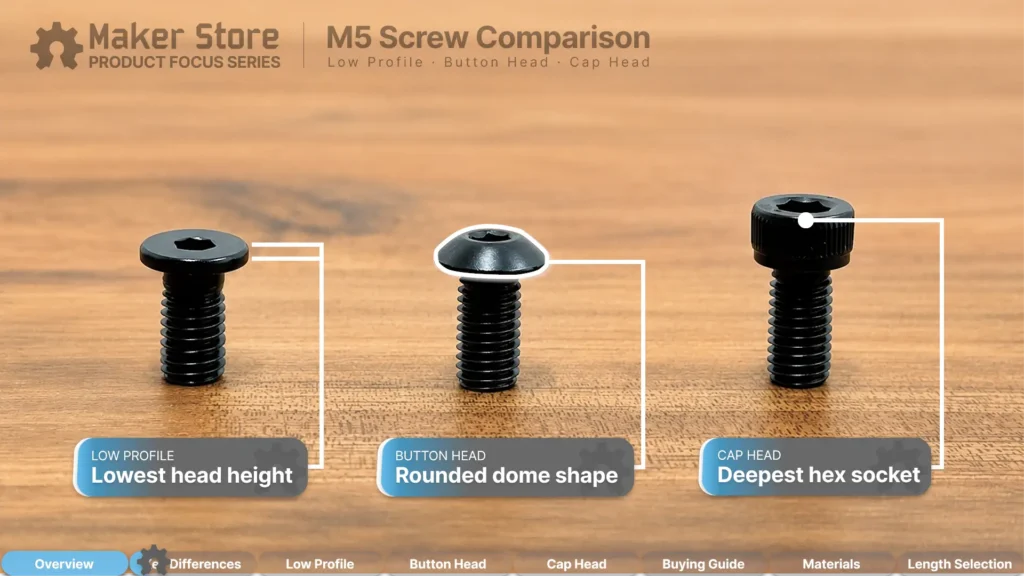
Low Profile, Button Head, and Cap Head screws all share the same M5 thread, but each is designed for different applications. The head shape affects clearance, installation, tightening torque, and overall performance.
In this guide, we’ll compare the three most common M5 screw head styles and help you choose the right fastener for your next CNC machine, aluminium extrusion project, or workshop build.
Watch the complete comparison on YouTube.
Understanding the Three M5 Screw Head Styles
Watch the complete comparison on YouTube.
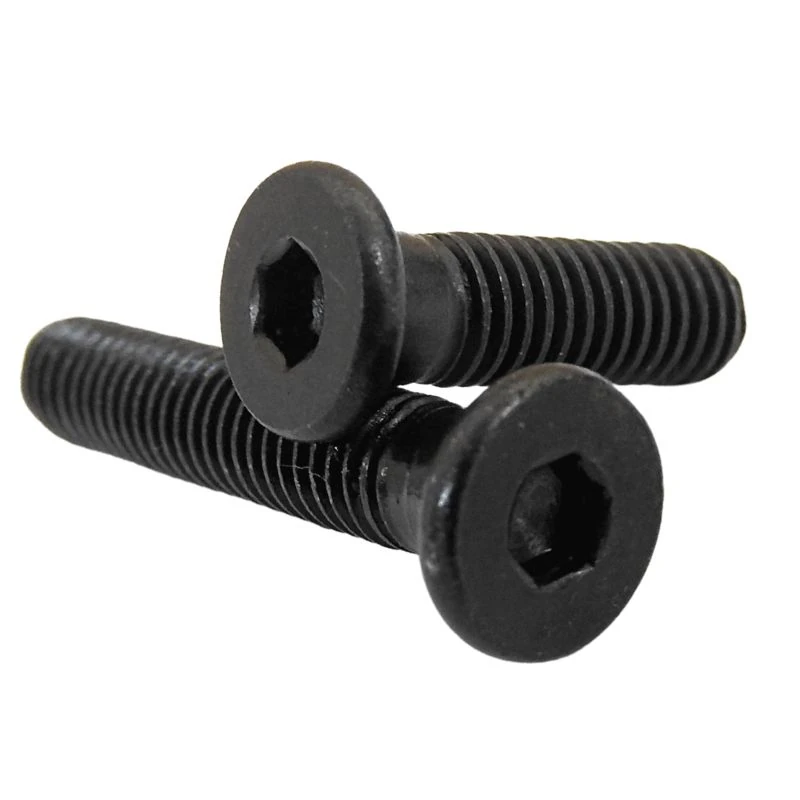
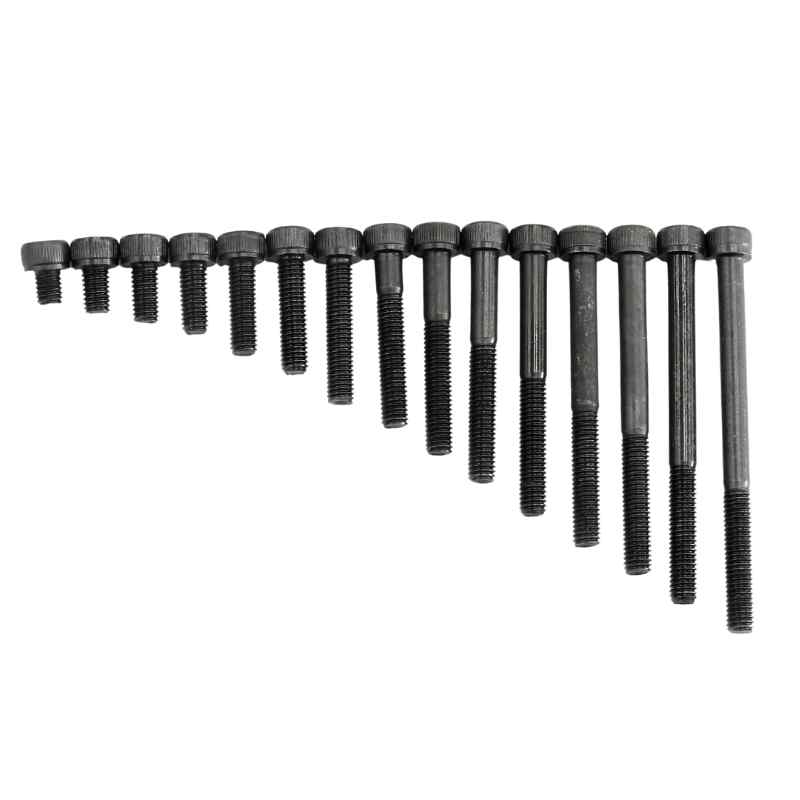
1. Low Profile Screws
Advantages
- Lowest head height
- Maximum clearance
- Minimal interference with moving parts
- Clean appearance
Limitations
- Smaller hex socket
- Lower tightening torque
- Easier to round out if over-tightened
Best Applications
- T-Track systems
- Sliding fixtures
- Clearance-sensitive assemblies
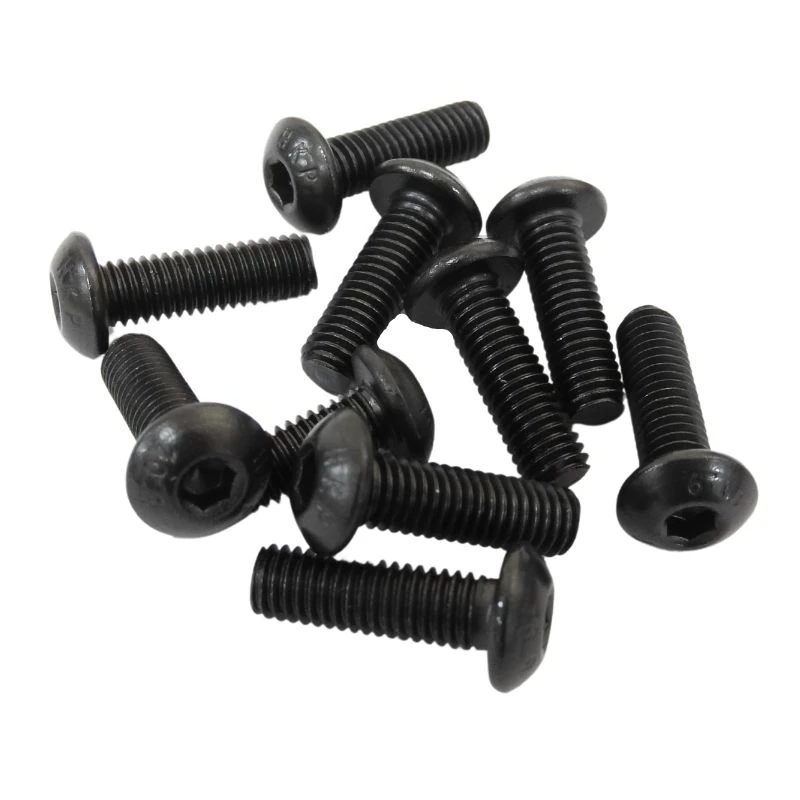
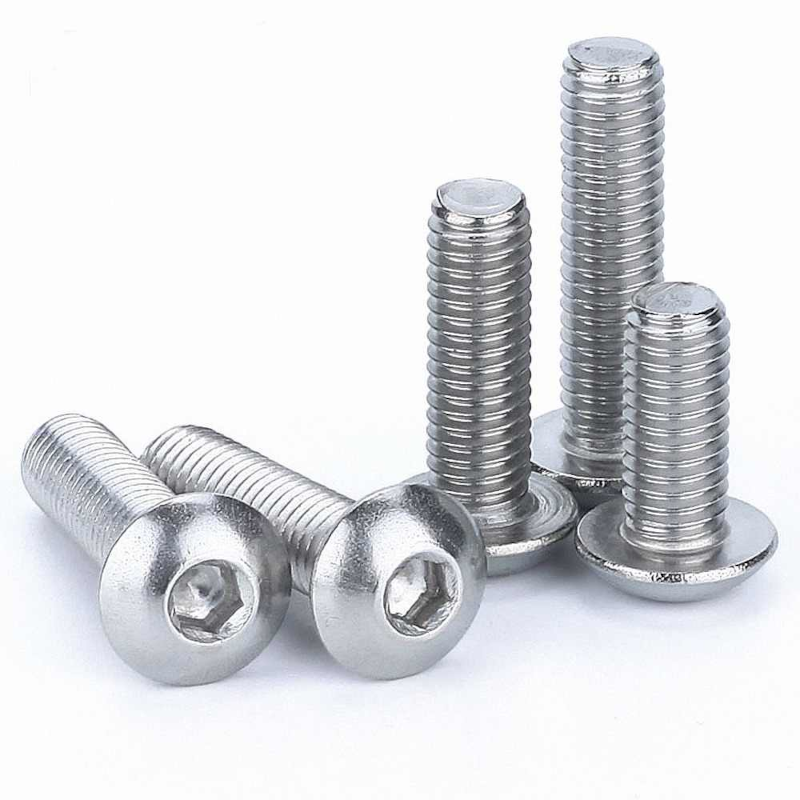
2. Button Head Screws
Advantages
- Rounded head
- Versatile
- Ideal for blind joints
- Larger bearing surface
Best Applications
- Aluminium extrusion blind joints
- General machine assembly
- Plastic and timber components
- Visible finished surfaces
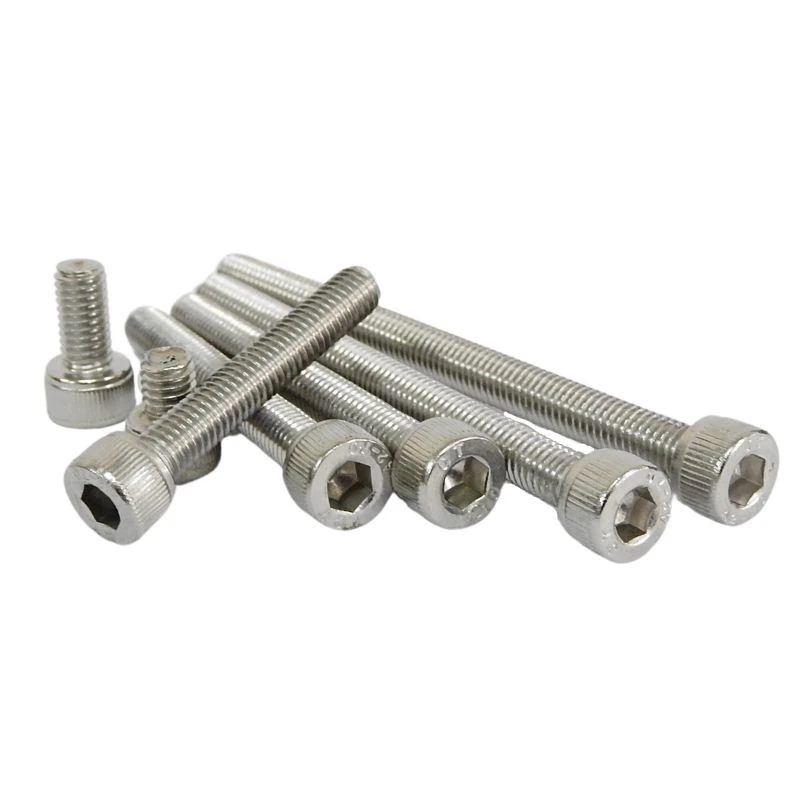
3. Cap Head Screws
Advantages
- Deepest hex socket
- Highest tightening torque
- Strongest clamping force
Best Applications
- CNC machine frames
- Structural assemblies
- Counterbored holes
- High-load connections
Comparison Table
Complete M5 Screw Selection Guide
| Feature | Low Profile (Alloy Steel) | Button Head (Alloy Steel) | Cap Head (Alloy Steel) | Button Head (Stainless Steel) | Cap Head (Stainless Steel) |
|---|---|---|---|---|---|
| Material | Alloy Steel | Alloy Steel | Alloy Steel | Stainless Steel | Stainless Steel |
| Head Height | Lowest | Medium | Tallest | Medium | Tallest |
| Clearance | ★★★★★ | ★★★★☆ | ★★☆☆☆ | ★★★★☆ | ★★☆☆☆ |
| Blind Joint Compatible | No | Yes | No | Yes | No |
| Torque Capacity | Low | Medium | High | Medium | High |
| Clamping Force | Low | Medium | Maximum | Medium | Maximum |
| Hex Key Size (M5) | 3 mm | 3 mm | 4 mm | 3 mm | 4 mm |
| Corrosion Resistance | Standard | Standard | Standard | Excellent | Excellent |
| Strength | Highest | Highest | Highest | Good | Good |
| Best For | T-Tracks, sliding fixtures, clearance-sensitive assemblies | Blind joints, general machine assembly, visible surfaces | CNC frames, structural assemblies, high-load connections | Outdoor projects, humid environments, aluminium extrusion assemblies | Outdoor structural assemblies and corrosion-resistant applications |
| Choose This If… | Head clearance is your priority | You want the most versatile option | Maximum strength and clamping force are required | Corrosion resistance matters more than maximum strength | You need both corrosion resistance and a strong structural fastener |
Choosing the Correct Screw Length
- Thread engagement
- Material thickness
- Avoiding screws that are too short or too long
Which M5 Screw Should You Choose?
✅ Choose Low Profile if clearance is critical.
✅ Choose Button Head for general-purpose fastening and blind joints.
✅ Choose Cap Head when maximum strength and clamping force are required.
Shop the Range
Conclusion
Although Low Profile, Button Head, and Cap Head screws all use the same M5 thread, they are designed for different purposes. Choosing the right head style can improve assembly, increase reliability, and make maintenance easier.
Whether you’re building a CNC machine, an aluminium extrusion frame, or a custom workshop project, selecting the correct fastener is an important part of achieving the best result.