Description
Technical Overview
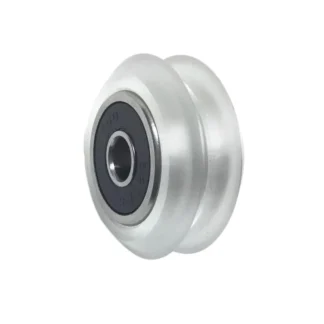
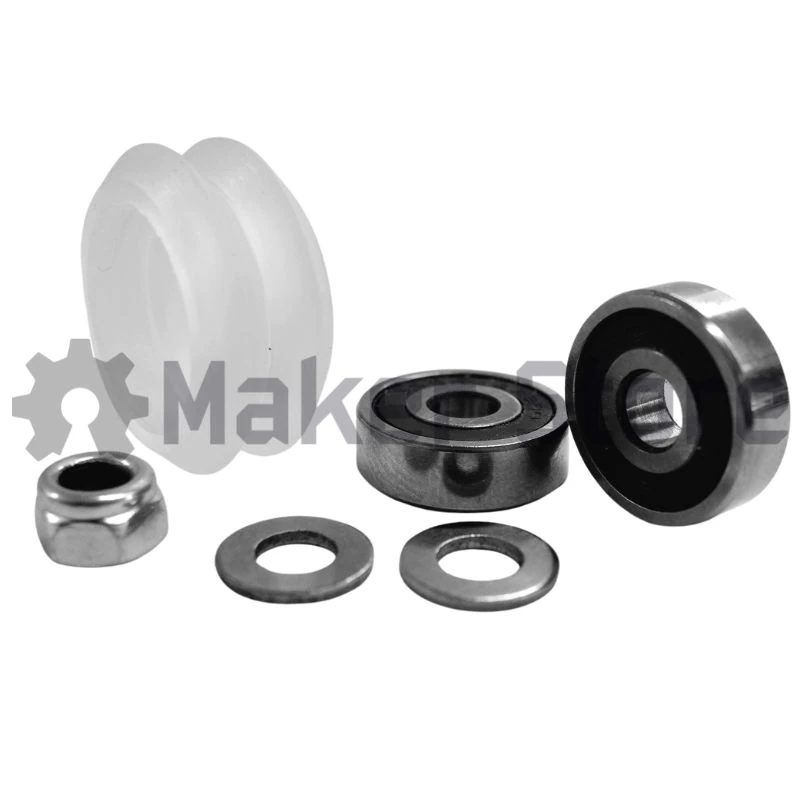
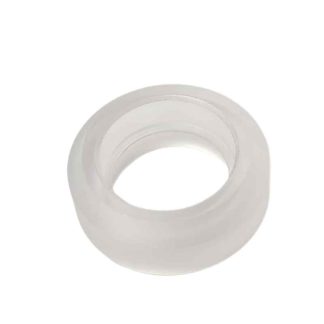
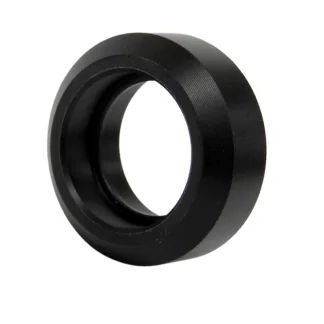
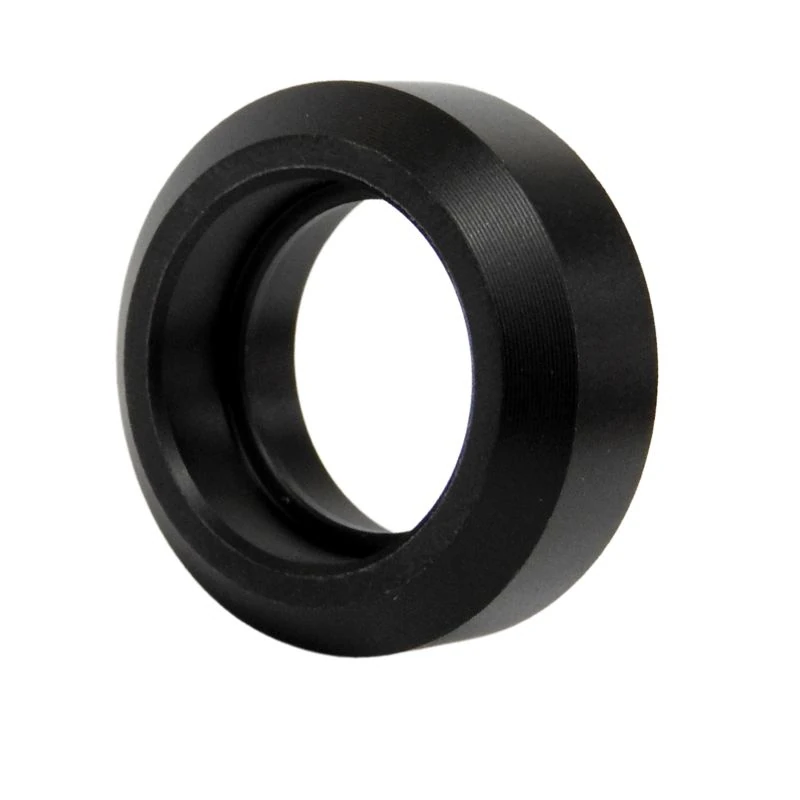
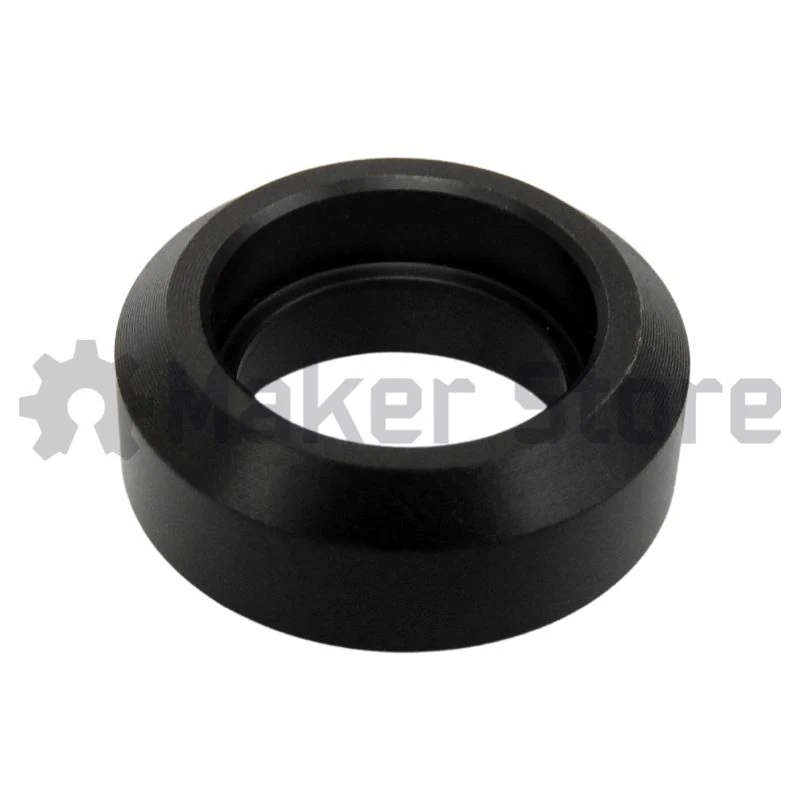
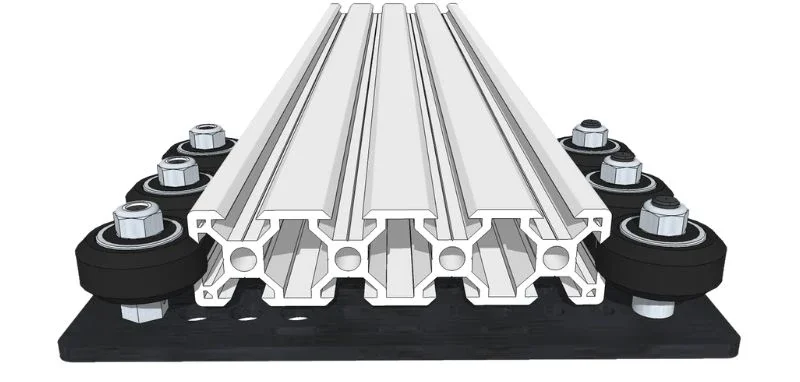
Engineers integrate these solid V wheels into structural linear guide assemblies. Specifically, the hardware functions by mounting onto gantry plates to interface directly with linear profiles. We individually mill each wheel from black Delrin polymer. Because of this specialized processing, the manufacturing method ensures consistent high precision and tight dimensional tolerances. Furthermore, the un-recessed, solid design profile minimises material compression under stress. As a result, the flat outer surface provides a highly stable riding interface for integrated belt and pinion configurations. Therefore, the completed setup functions interchangeably with compatible linear components to ensure true tracking along the structural frame. Ultimately, combining multiple wheels across a single assembly facilitates an even distribution of mechanical loads.
Applications
Builders choose this solid wheel configuration for heavy-load tracking inside compact linear motion paths. In particular, technicians deploy the hardware within belt-driven or pinion-actuated gantries where tracking deflection must be minimized. For this reason, builders commonly implement the wheel in the construction of modular CNC routers, automated industrial rigs, and heavy-duty 3D printers. In addition, they deploy it in custom actuator setups where the non-recessed rim serves as a flat guide path for timing belts. Meanwhile, the Delrin material provides a smooth-rolling, quiet operational interface. Thus, this layout makes the unit exceptionally well-suited for automation assemblies that demand structural stability and close operational tolerances.
Technical Specifications
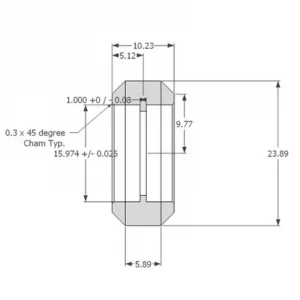
Technical Drawing:
Maker Store Tips and Tricks
-
Distribute heavier mechanical loads evenly across your gantry plate by integrating multiple solid wheels into the system array.
-
Ensure your tracking surfaces remain clean and free from debris to protect the precision-milled flat profile of the wheel rim.
-
Verify your internal bearing press-fit alignment before clamping the wheel axle to avoid introducing localized mechanical drag.