
Description
Technical Overview
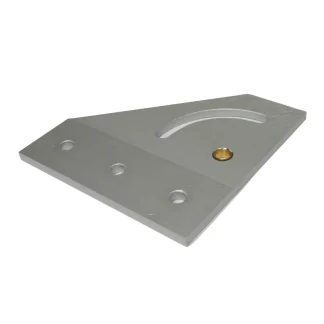
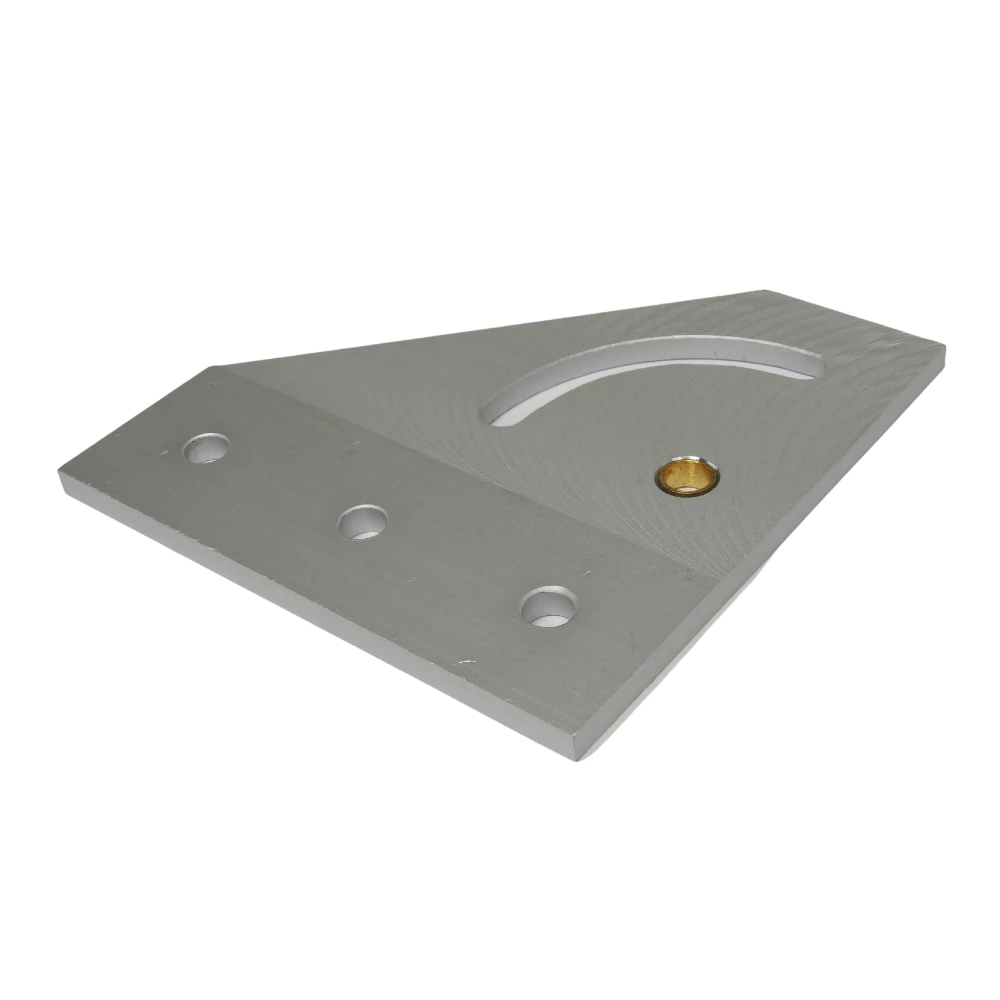
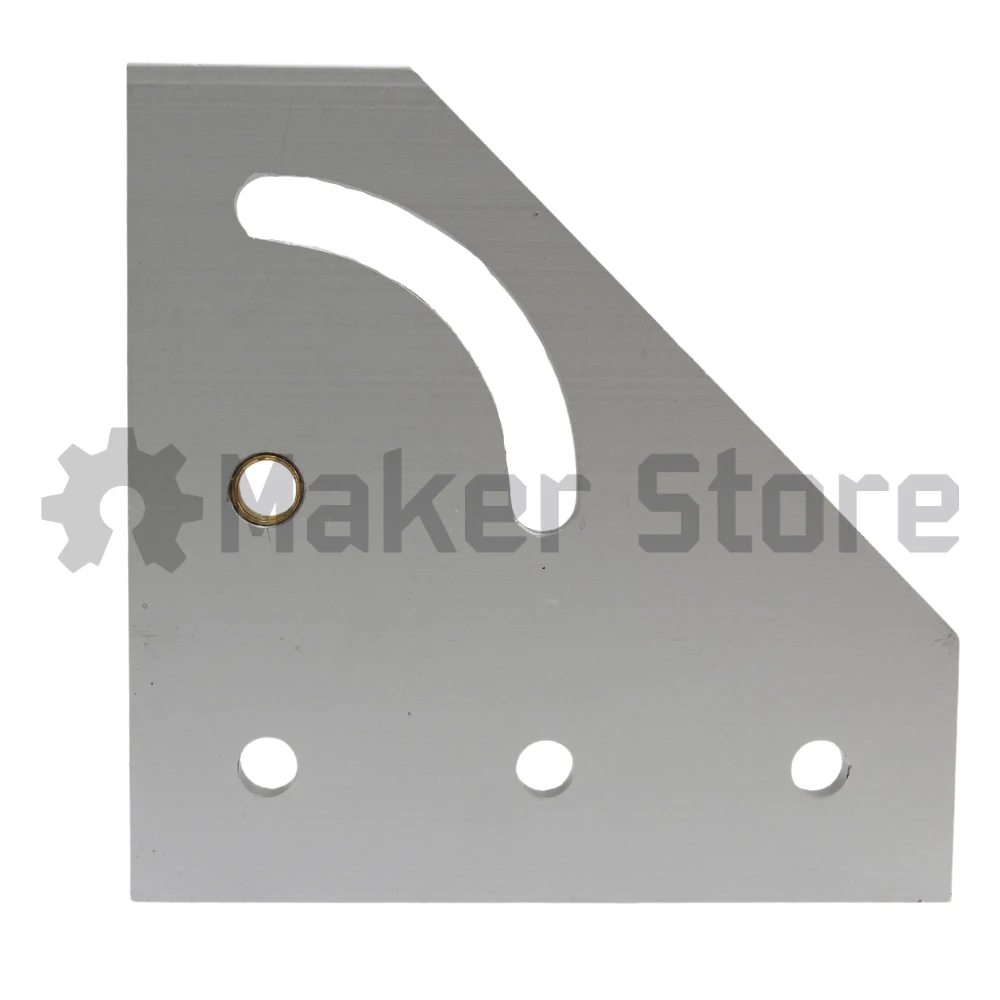
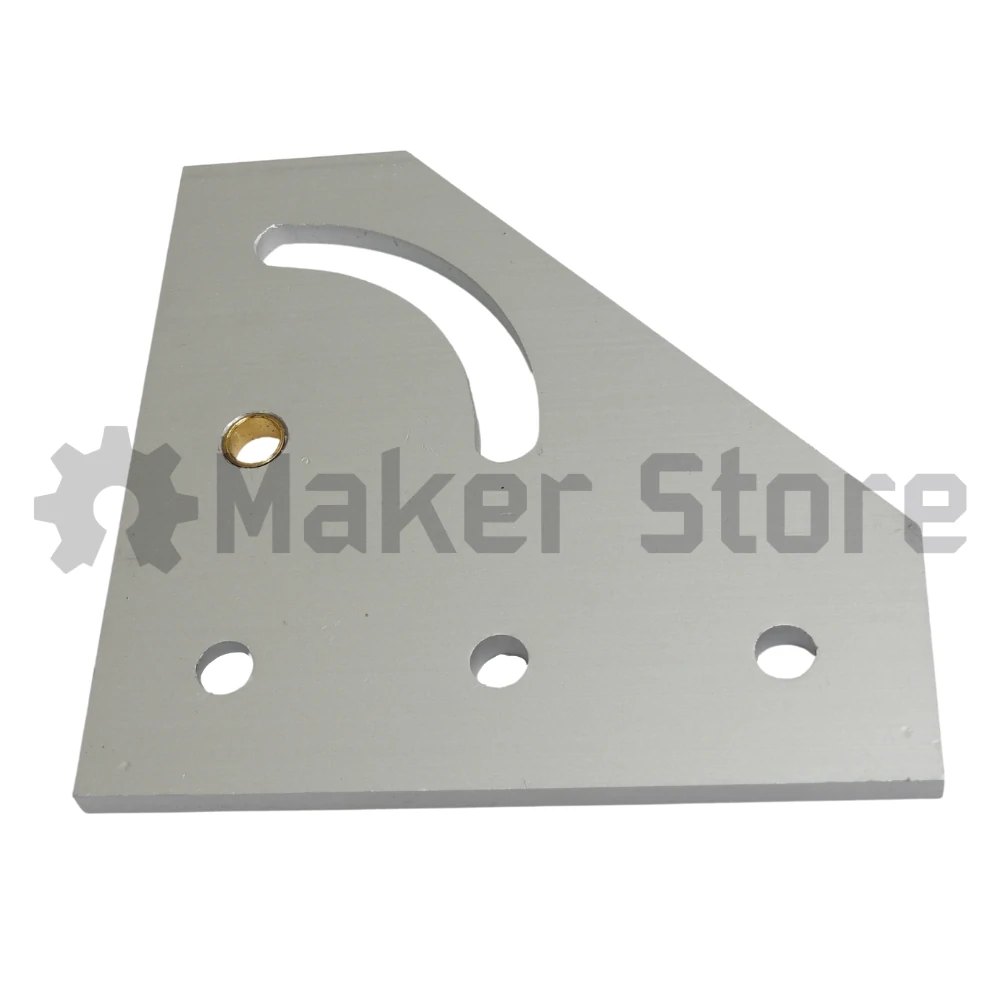
The 90 Degree Left Pivot Plate establishes a moving right-angle mechanical joint within modular framing configurations. Specifically, this structural component mounts directly onto 40 Series T-Slot linear profiles. As a result, it creates an adjustable, pivoting axis. Additionally, the main body uses durable aluminium to maintain systemic structural strength. Meanwhile, this choice keeps the overall assembly lightweight. Furthermore, the assembly integrates permanently lubricated bronze bushings. These components function as high-strength pivot points. Consequently, these bushings enable smooth, repeatable axial rotation through a 90-degree range of motion. Therefore, they minimize wear across the moving faces effectively.
Applications
Engineers incorporate this left-hand oriented pivot plate into industrial frames, adjustable workstation components, and folding enclosures. Moreover, they use it in custom automation mechanisms utilizing a 40 Series profile footprint. Technicians primarily deploy this hardware where structural right-angle junctions must swing, fold down, or adjust dynamically during operation. Therefore, they achieve flexible positioning. However, this component works explicitly with 40 Series T-Slot linear extrusions. Consequently, it is completely incompatible with smaller 20 Series V-Slot extrusion systems. For symmetrical or dual-sided pivot assemblies, builders pair this item with its corresponding right-hand counterpart. Thus, they balance operational mechanical loads evenly across the frame.
Technical Specifications
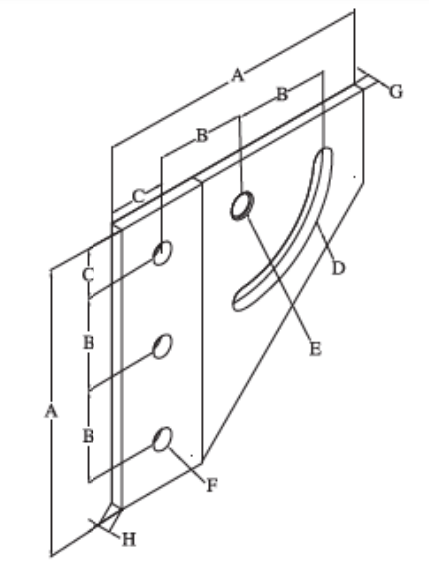
Drawings
| A | B | C | D | E | F | G | H | kg |
| 120mm | 40mm | 20mm | 8.3mm | 10mm | 8.3mm | 5.36mm | 6mm | 0.155 |
Maker Store Tips and Tricks
-
Align the internal bronze bushings properly before fully tensioning the mounting hardware to ensure unhindered pivotal rotation.
-
Avoid applying heavy axial loads that exceed the mechanical yield strength of the aluminum pivot geometry.
-
Regularly inspect the tracking of your pivot frame under continuous cyclic motion to confirm fasteners remain torqued tightly inside the profile channels.
What makes T-Slots such an easy assembly task?
Constructing frames from T-Slot extrusions is straightforward as they eliminate the need for specialized tools or welding, thereby simplifying the assembly process. To build frames using T-Slot Linear Rail, you will require:
-
- 40 Series T-Slot Extrusions: These form the main structural components, usually crafted from aluminium, with slots along their lengths for easy connection of various parts and accessories. Additionally, their robustness ensures they hold up well over time.
- 40 Series Brackets and Connectors: These specialized components fit snugly into the T-Slot extrusions, securing them together at various angles. The range includes corner brackets, T-nuts, L-shaped brackets, and other connectors. Besides, they are easy to install and adjust as needed.
- Fasteners: Utilize Bolts, screws, and nuts to securely attach the brackets and connectors to the T-Slot extrusions. Furthermore, their variety allows for flexible assembly solutions.
- Tools: Basic hand tools such as wrenches, Allen keys (hex keys), and screwdrivers are necessary for assembly. Additionally, a saw may be needed to cut the T-Slot extrusions to your desired lengths.
Unsure if this product is compatible with our aluminium extrusions?
Look for the Maker Store Compatibility Badges!