Description
Technical Overview
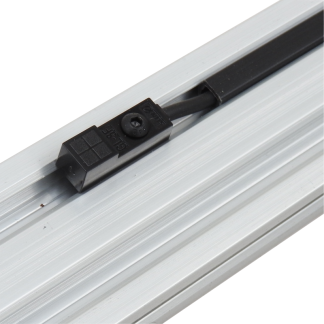
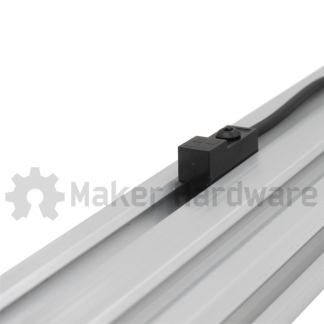
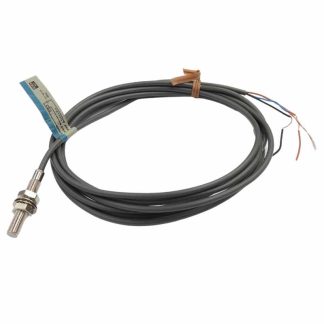
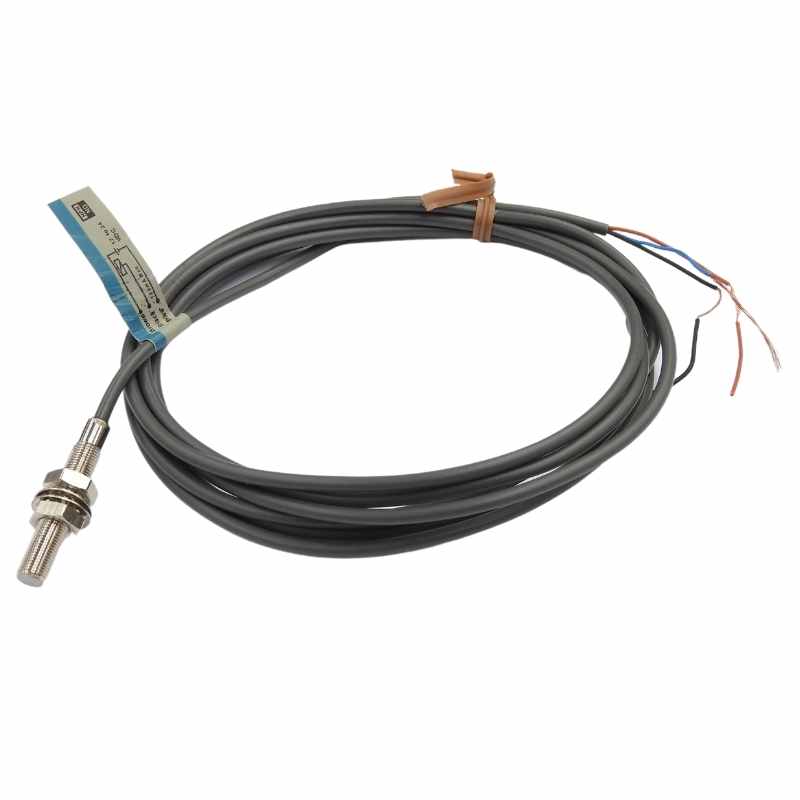
The M5 inductive proximity sensor operates as a non-contact electronic switch. It actively detects metallic objects within precision machinery and compact automated systems. To achieve this, the device continuously emits an electromagnetic field. Next, it immediately triggers an electronic signal when a target metal enters its dedicated detection zone.
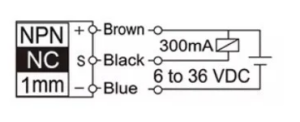
Furthermore, this compact sensor features a threaded cylindrical barrel with a 5 mm diameter. Consequently, it easily fits into tight, space-constrained environments that require highly precise positioning. In terms of its electrical configuration, the sensor utilizes an NPN transistor setup that acts as a sinking output. This setup connects the output signal directly to ground (0V) upon activation. Additionally, engineers configure it as a Normally Closed (NC) device. Therefore, the sensor maintains a closed circuit and continuously passes a signal in its resting state. Ultimately, it opens the circuit to cut the signal only when it detects a metallic object.
Applications
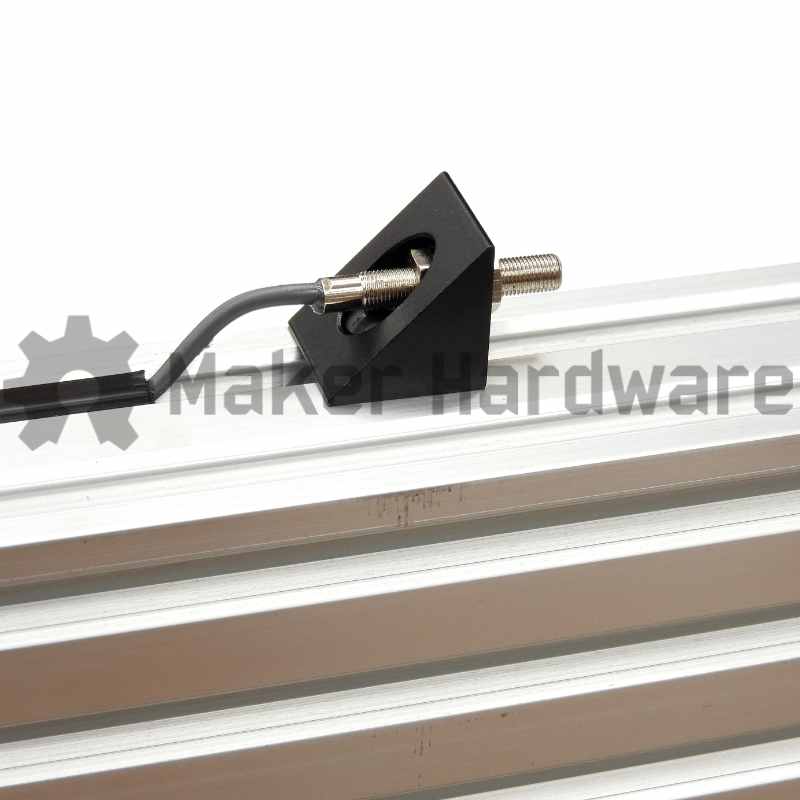
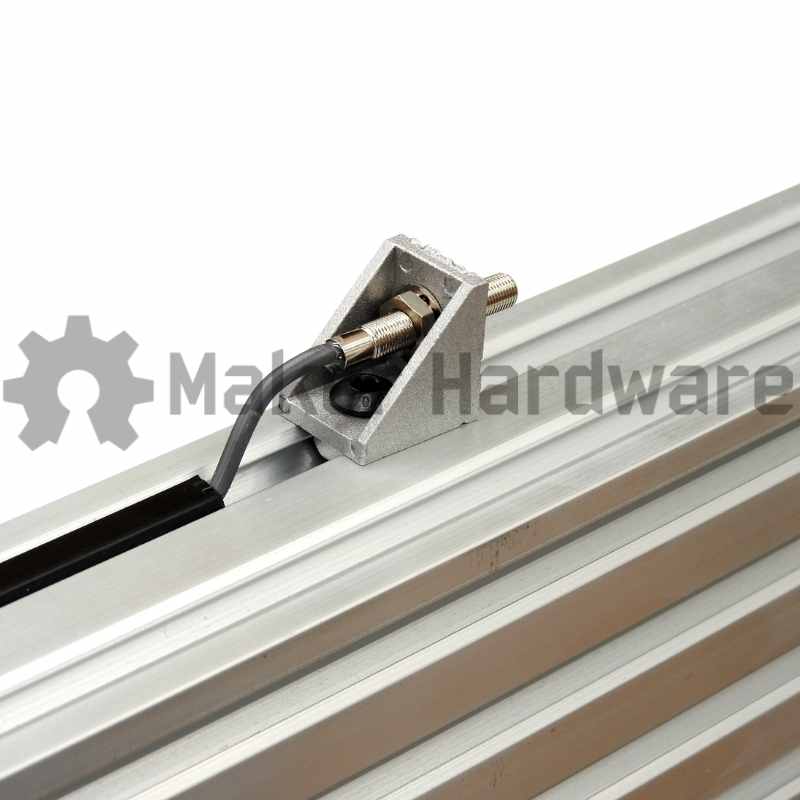
Operators frequently employ these miniature inductive proximity sensors as end-stops, limit switches, or homing mechanisms. Specifically, they use them in CNC routers, laser cutters, 3D printers, and plasma cutting systems. Because they feature a non-contact design, these sensors completely eliminate mechanical wear. Thus, this layout makes them highly reliable for automated positioning tasks.
In addition to these uses, the sensor perfectly serves industrial automation components, pick-and-place machinery, light assembly lines, and robotic component positioning systems. Therefore, technicians typically integrate the device into control systems wherever space constraints exist. As a result, these systems achieve consistent, wear-free metal detection in demanding environments.
Technical Specifications
Maker Store Tips and Tricks
-
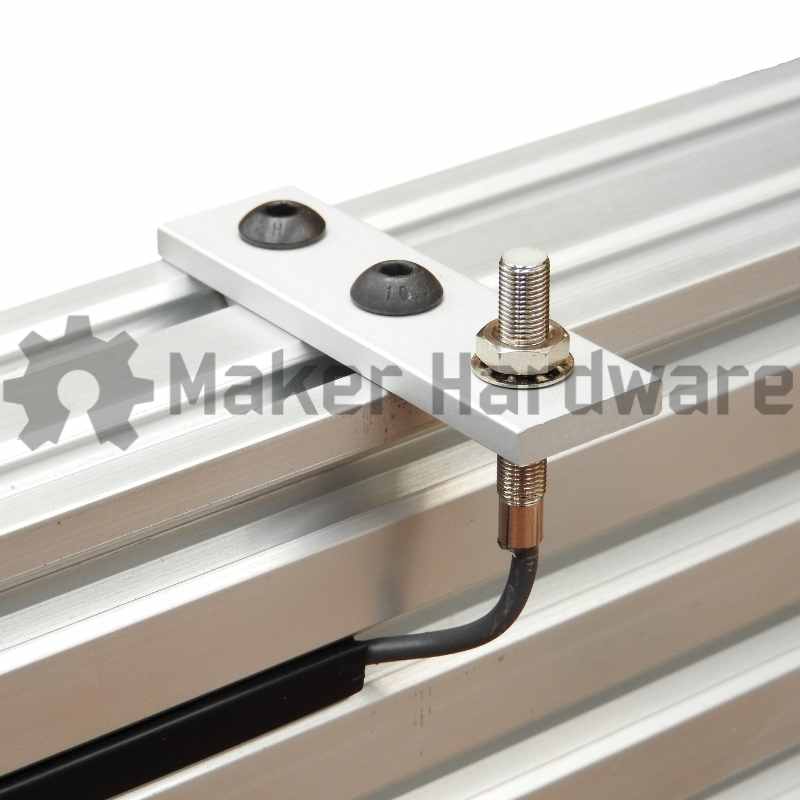
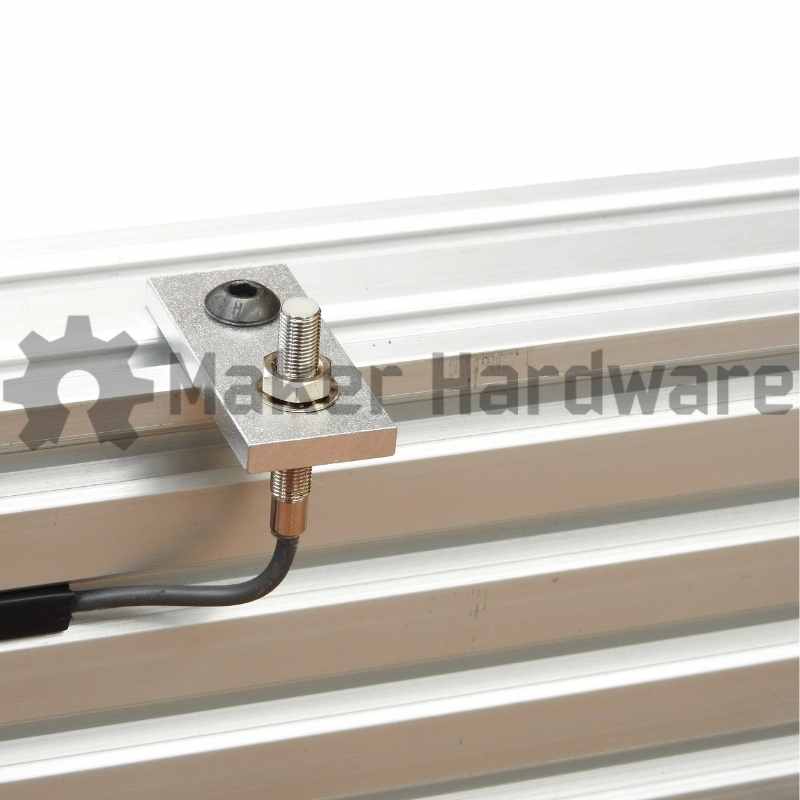
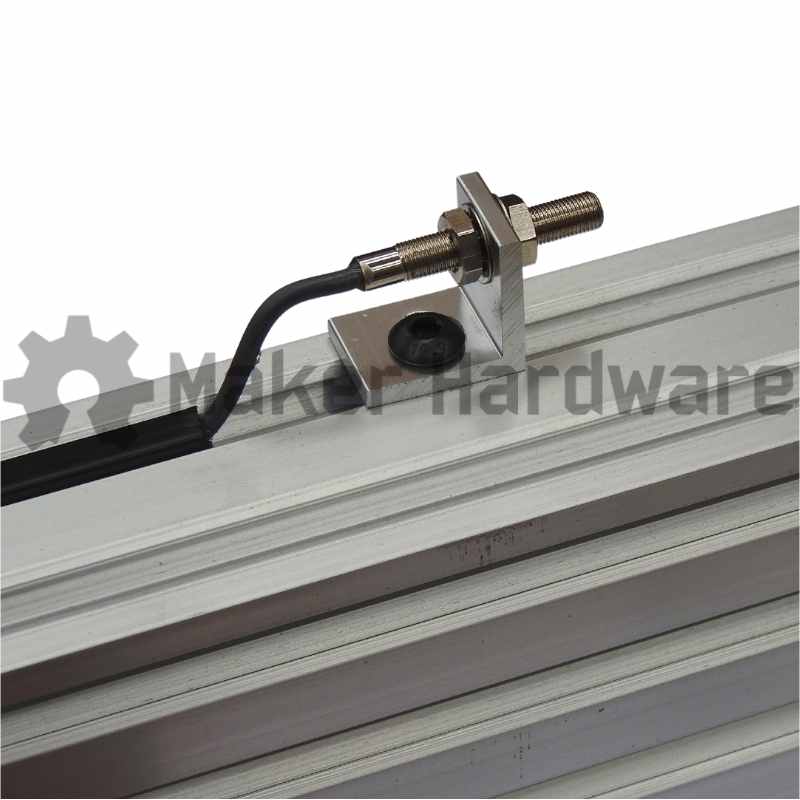
Ensure the sensor is securely mounted within its M5 threaded bracket before powering the system.
-
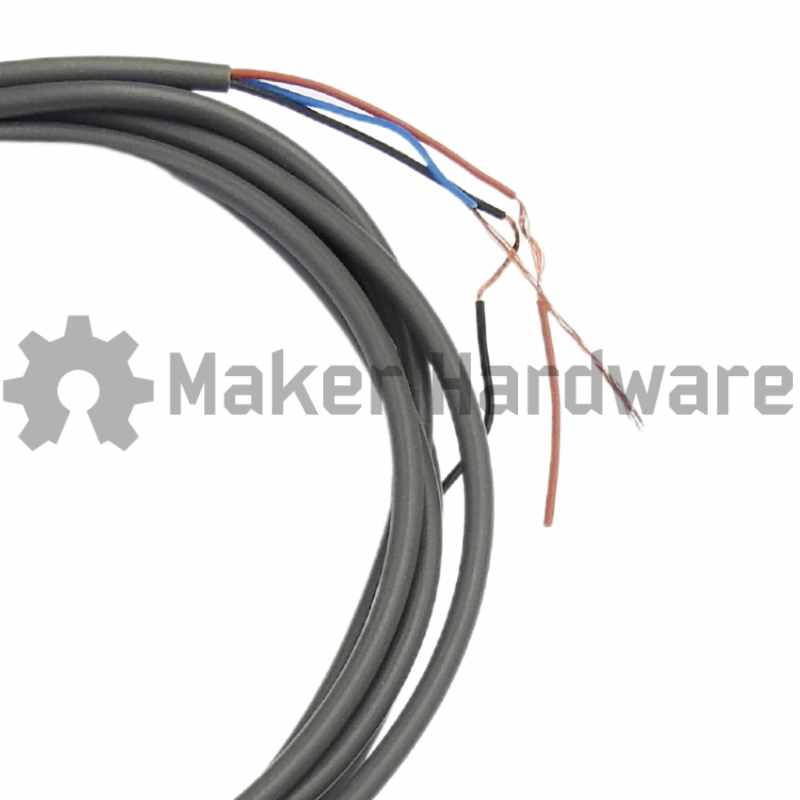
Avoid running sensor wires directly parallel to high-voltage AC power lines to minimize electrical interference.
-
Regularly clean the sensing face of any accumulated metallic debris or fine filings to prevent false triggering.