Description
Technical Overview
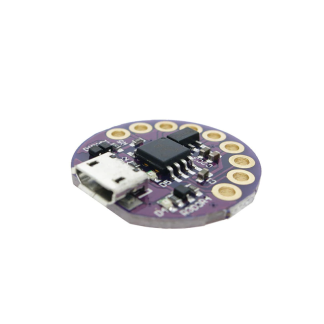
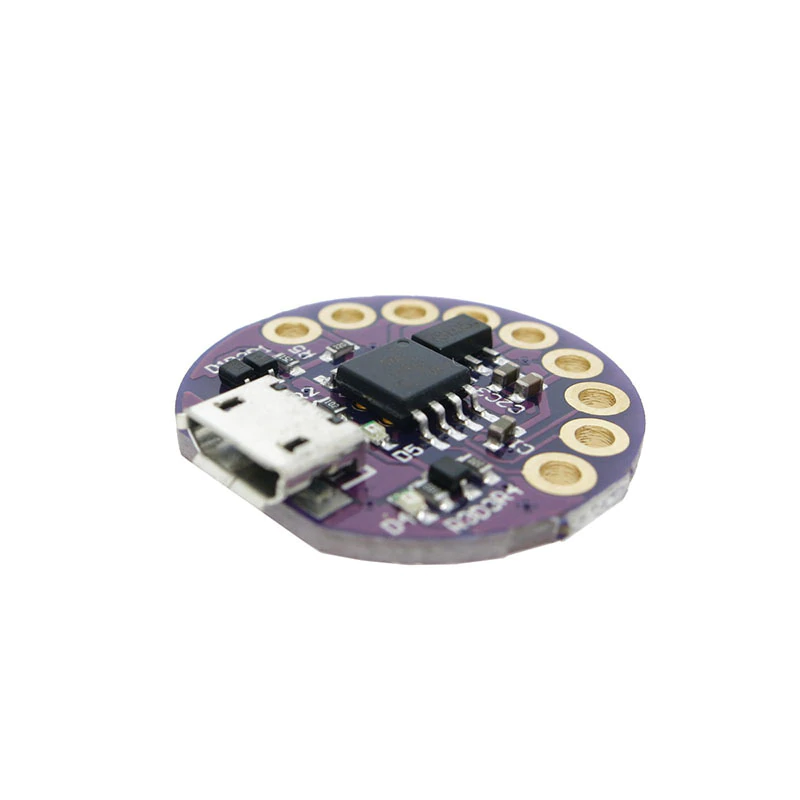
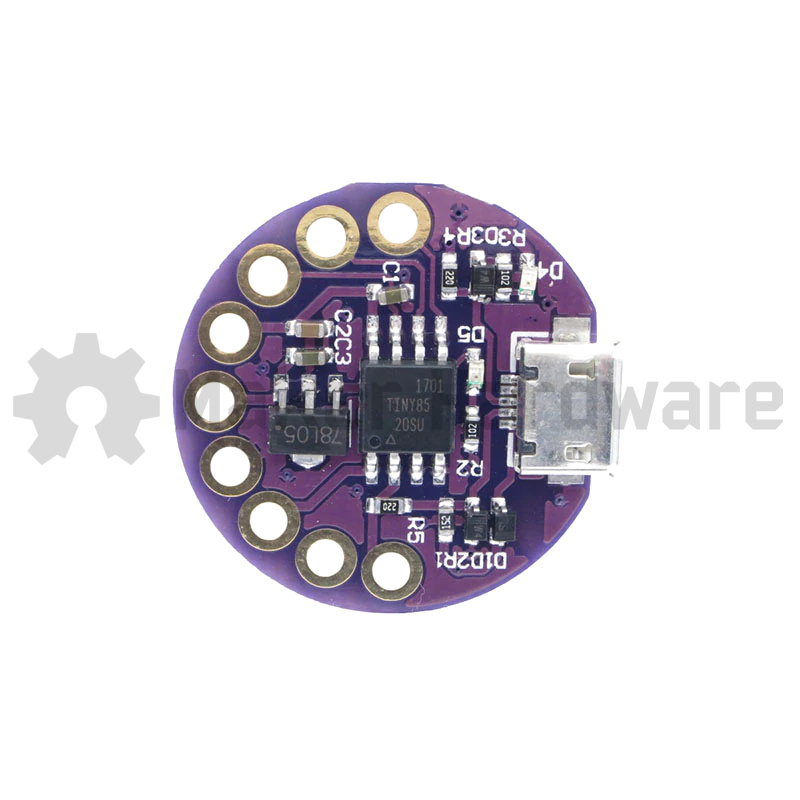
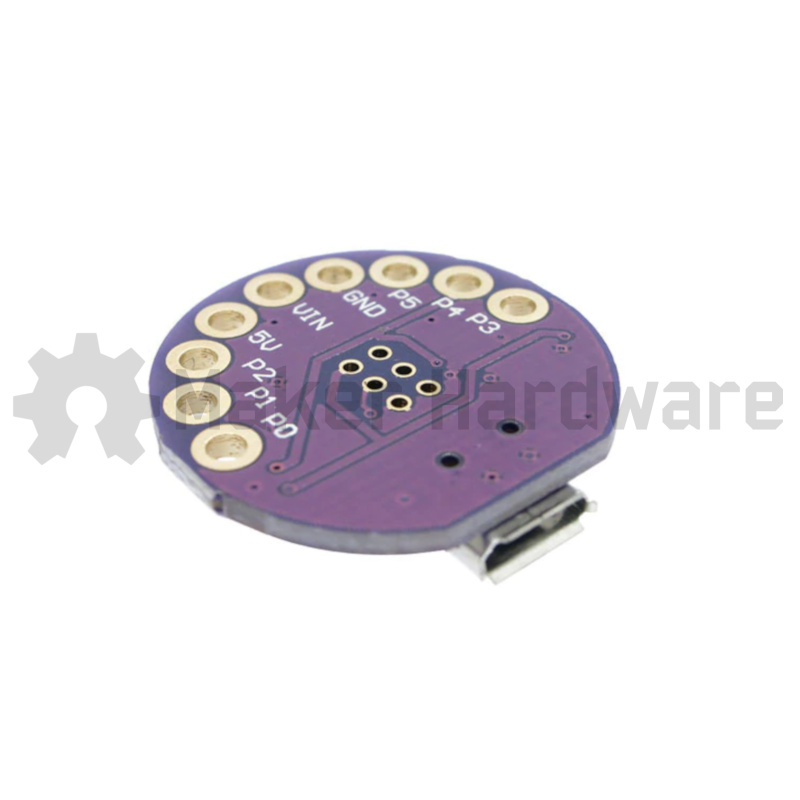
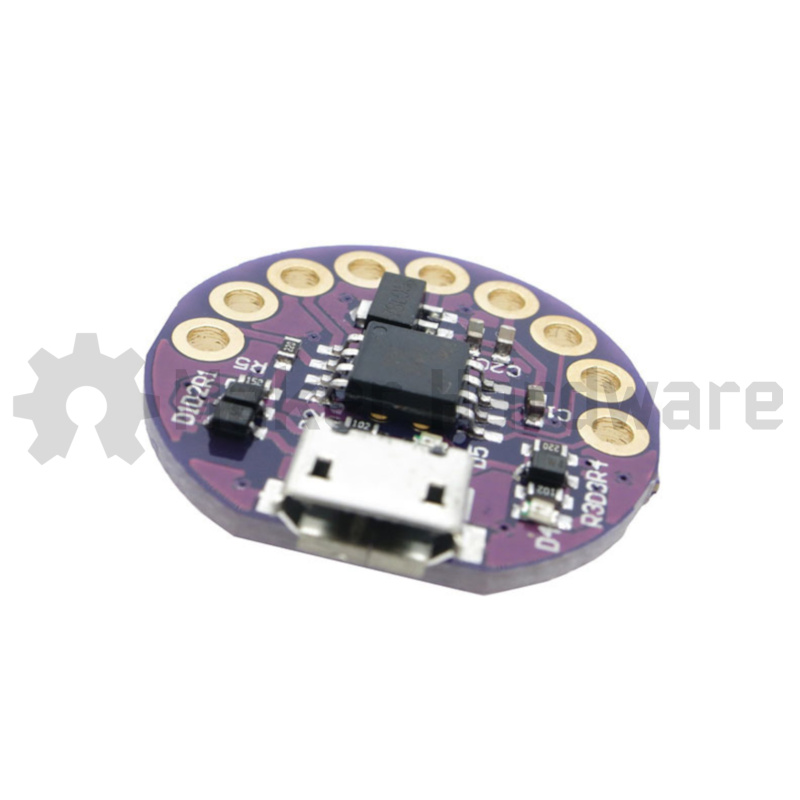
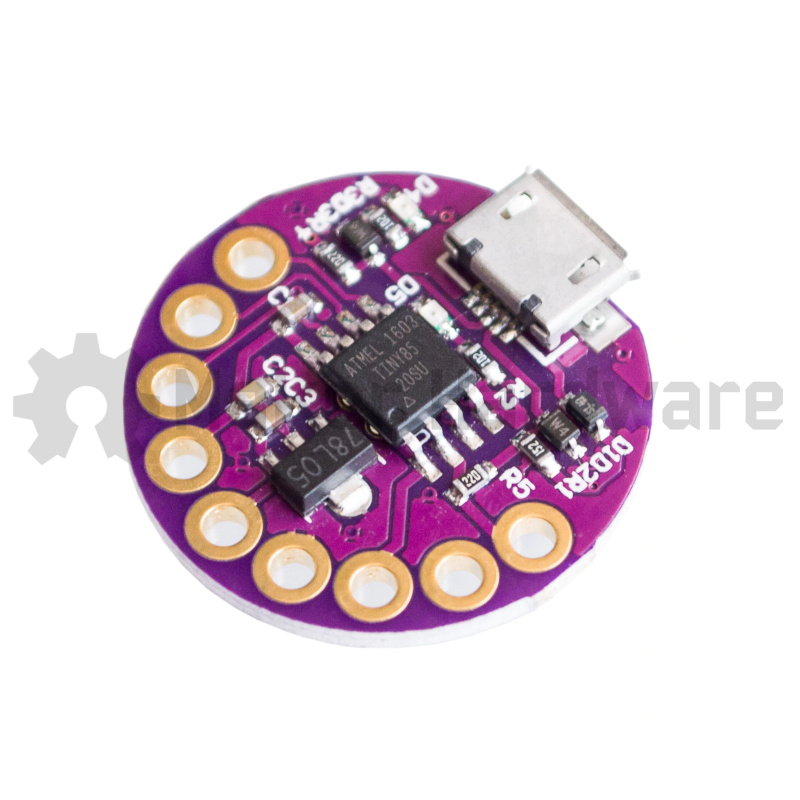
This circular, low-profile LilyPad Arduino Nano ATtiny85 actively incorporates an ATtiny85 AVR processor alongside a micro-USB port. Specifically, this hardware combination serves as a miniature control node within electronic textile networks. In addition, the module operates within a broad voltage range of 1.8V to 5.5V. At the same time, it features an 8 KB flash memory architecture, 512 bytes of SRAM, and 512 bytes of EEPROM. Furthermore, the unit supports both SPI and TWI communication protocols. Meanwhile, the ultra-compact, 25mm diameter hardware integrates six logic ports. This selection includes five dedicated programming pads and one reserved reset line. Consequently, these connections allow the direct execution of programs developed in the Arduino IDE. Finally, designers can easily integrate the 2g, 4mm thick unit into space-constrained assemblies. To do this, they utilize a standard micro-USB cable for direct computer connectivity and programming.
Applications
Technical users primarily deploy this low-profile LilyPad Arduino Nano ATtiny85 in compact wearable electronics projects, smart clothing, and interactive textile installations. For instance, these specialized setups frequently require discrete hardware integration. To facilitate this, the circular geometry features external logic pads. These wide pads permit builders to sew the module directly onto fabric substrates with conductive thread. Following this mechanical step, builders typically pair the system with flexible inputs and outputs. Indeed, these compatible additions include textile switches, sensors, wearable motors, and low-power LED matrices. Ultimately, these peripherals coordinate local data processing and power management. Its minimal footprint makes the board well-suited for sub-miniature electronic textile assemblies. As a result, it easily fits where standard-sized microcontroller boards remain structurally incompatible.
Technical Specifications
Maker Store Tips and Tricks
-
Ensure the micro-USB cable is fully seated before initiating program compilation and upload protocols within the Arduino IDE.
-
Test all conductive thread connections for continuity and electrical resistance prior to powering the circuit via the USB interface.
-
Isolate the logic pads from conductive fabric regions during layout design to prevent intermittent signal grounding or short circuits.