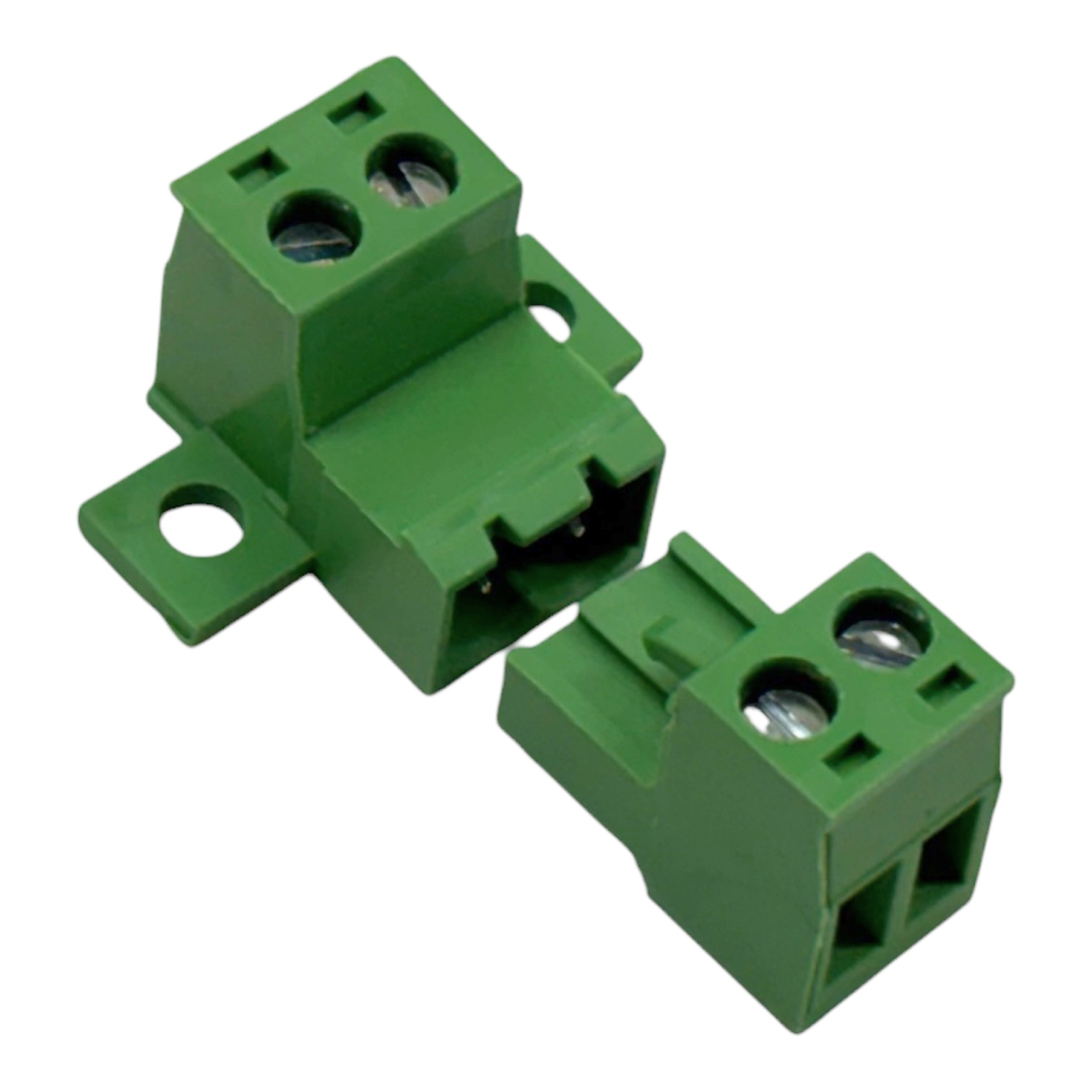
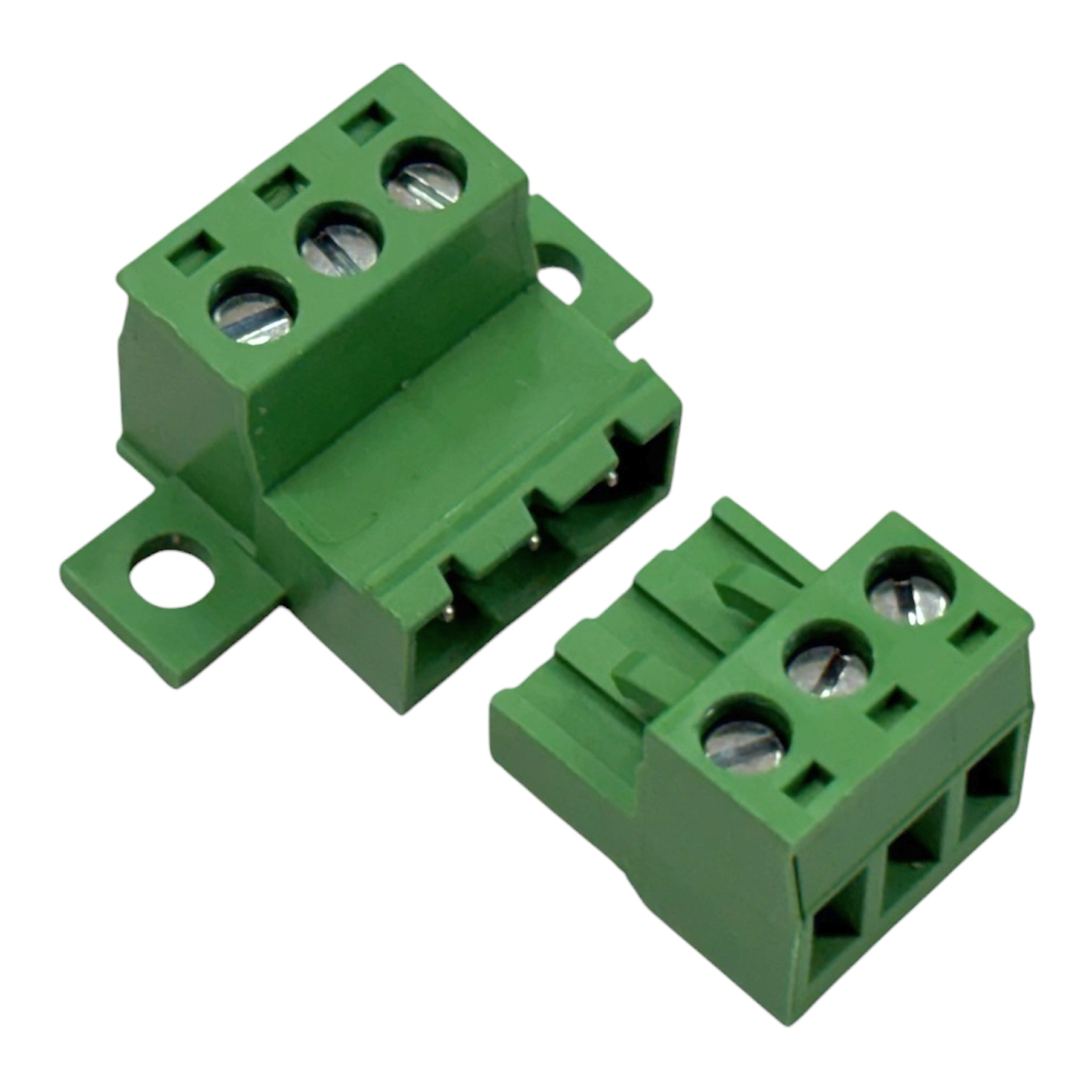
Description
Technical Overview
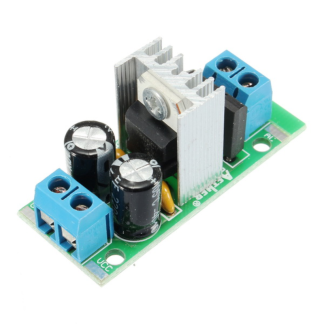
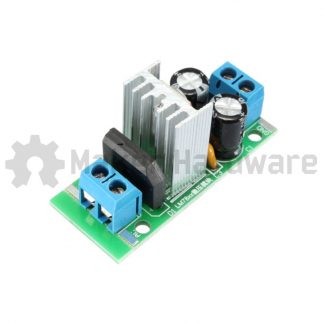
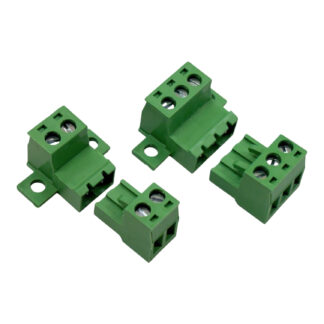
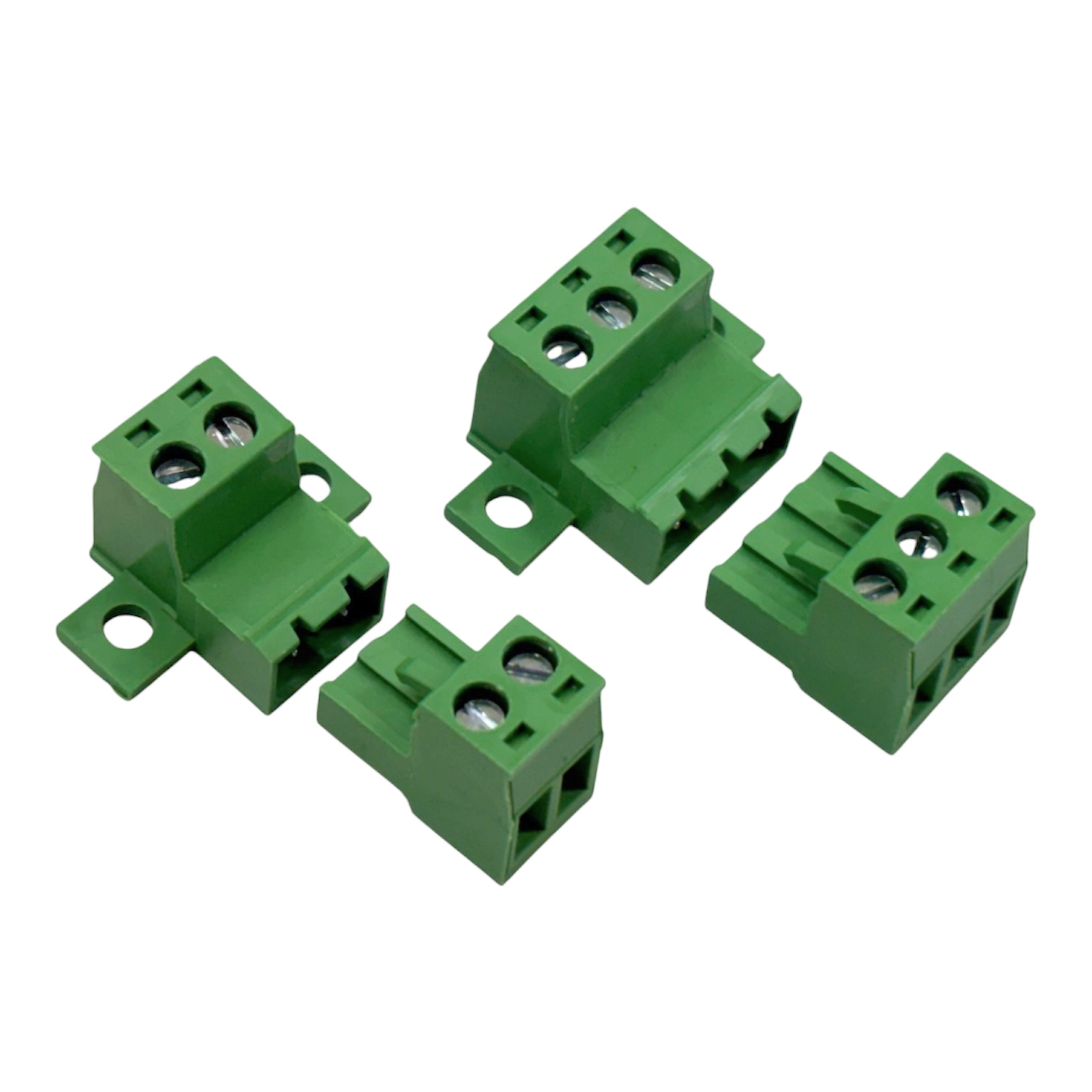
The pluggable terminal block functions as a modular electrical connector that establishes secure wire-to-board or wire-to-device connections. Consequently, users can link wiring assemblies without directly soldering or screwing into the hardware. To achieve this, the entire system operates via a two-part assembly consisting of a base header permanently fixed to the hardware and a mating, removable plug.
Because of this modular configuration, engineers can seamlessly integrate the unit into electrical enclosures, printed circuit boards (PCBs), and control systems. As a result, this layout ensures reliable circuit completion while simultaneously streamlining maintenance routing.
Applications
In practice, technicians frequently deploy pluggable terminal blocks in systems that demand regular testing, servicing, or device replacement. Specifically, these connectors allow users to quickly detach entire wiring harnesses without unfastening individual wires. Therefore, this setup significantly optimizes factory pre-assembly workflows, which ultimately reduces on-site installation timelines and labor costs.
Furthermore, typical mechanical and industrial use cases encompass automation control panels, DIN rail assemblies, power supplies, and modular machinery. To ensure safety during deployment, built-in physical coding pins physically prevent incorrect insertion. Accordingly, this protective feature makes the blocks ideal for complex multi-circuit wiring systems where robust error prevention remains critical.
Technical Specifications
Maker Store Tips and Tricks
-
Ensure the base header is fully soldered or securely mounted to the base before engaging the plug.
-
Use the built-in coding pins to key the connectors when deploying multiple identical terminal blocks side-by-side to prevent cross-wiring errors.
-
Pre-assemble and test wiring harnesses in a controlled workshop environment to minimize field installation issues and save deployment time.