
Description
Technical Overview
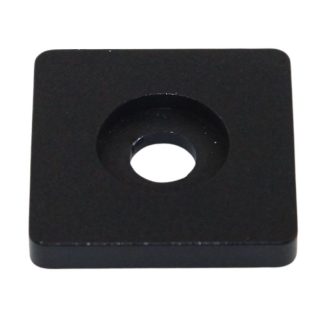
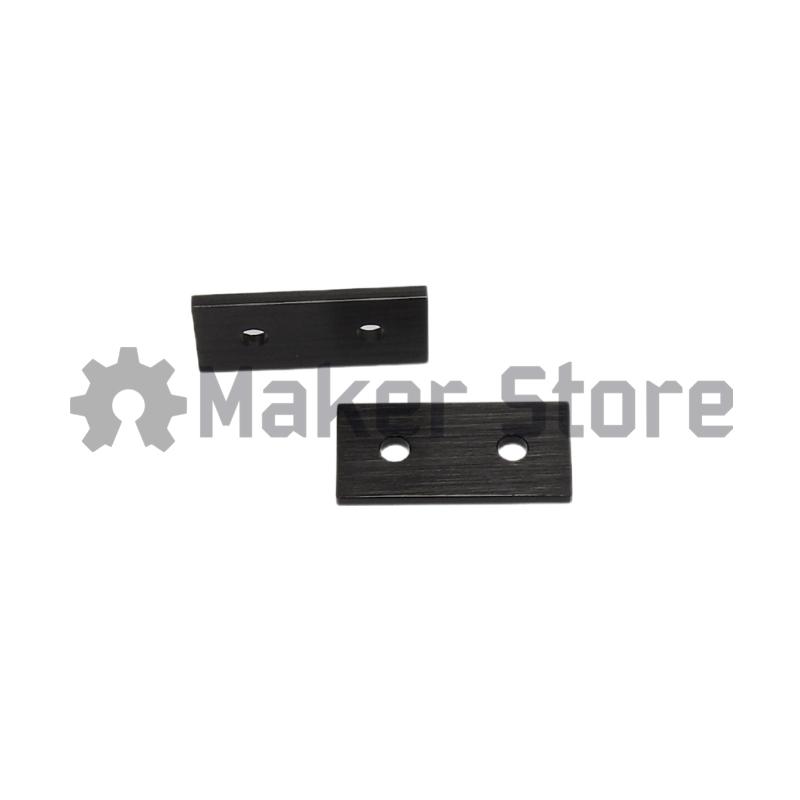
The 2040 end cap type B functions as a protective finishing component for 2040 V-Slot aluminum extrusion profiles. Specifically, you mount this component directly onto the exposed raw ends of an extrusion rail. Consequently, the cap conceals sharp edges and prevents debris from entering the internal channel profile. Ultimately, this simple installation completes the raw structure.
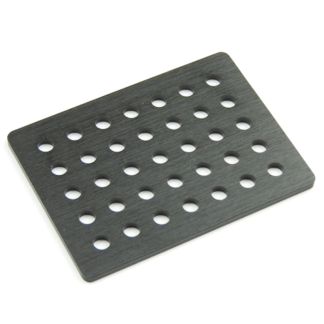
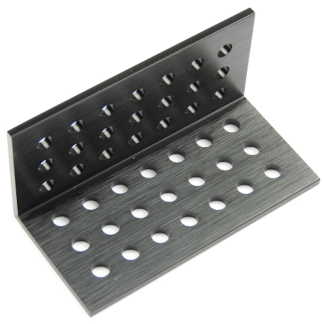
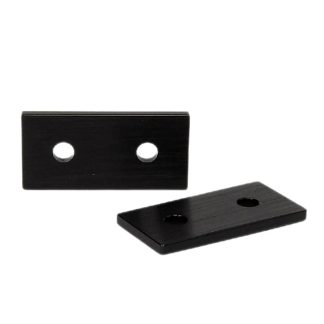
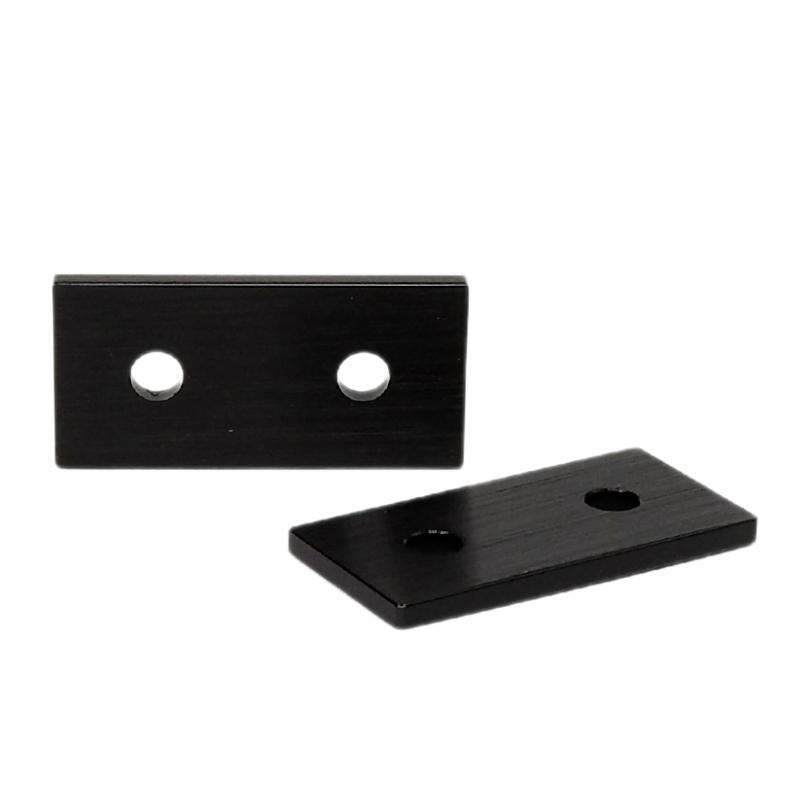
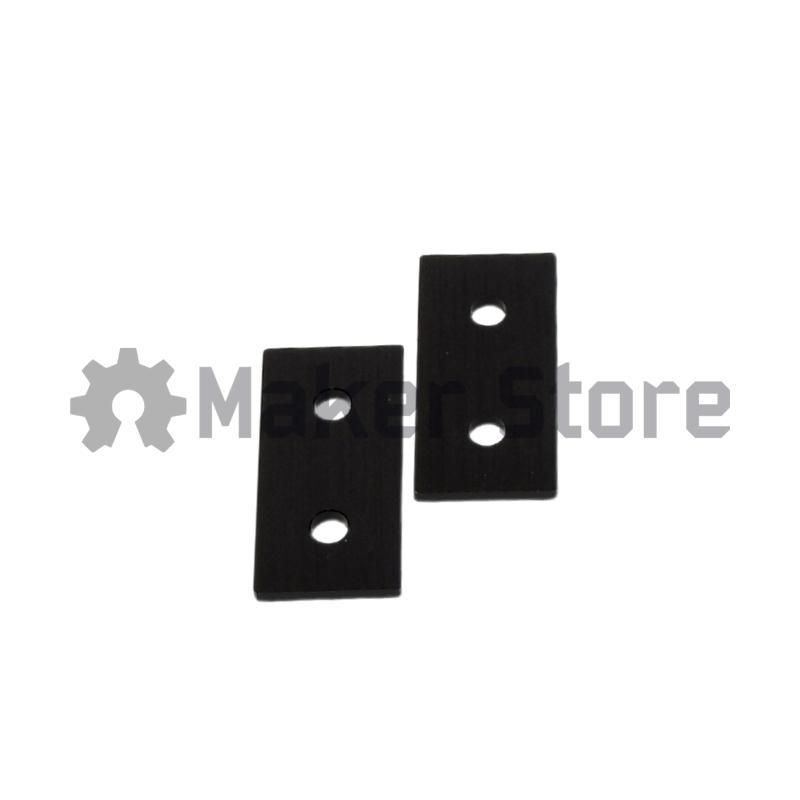
Furthermore, this plate features a flat structural interface on both faces. In contrast to Type A designs that incorporate hardware recesses, the Type B model maintains a completely uniform thickness across its entire surface. Because of this configuration, builders can establish a flush aesthetic finish on both sides of the framing joint. As a result, the flat surface creates an unobstructed external profile for adjacent moving components or final machinery enclosures.
Applications
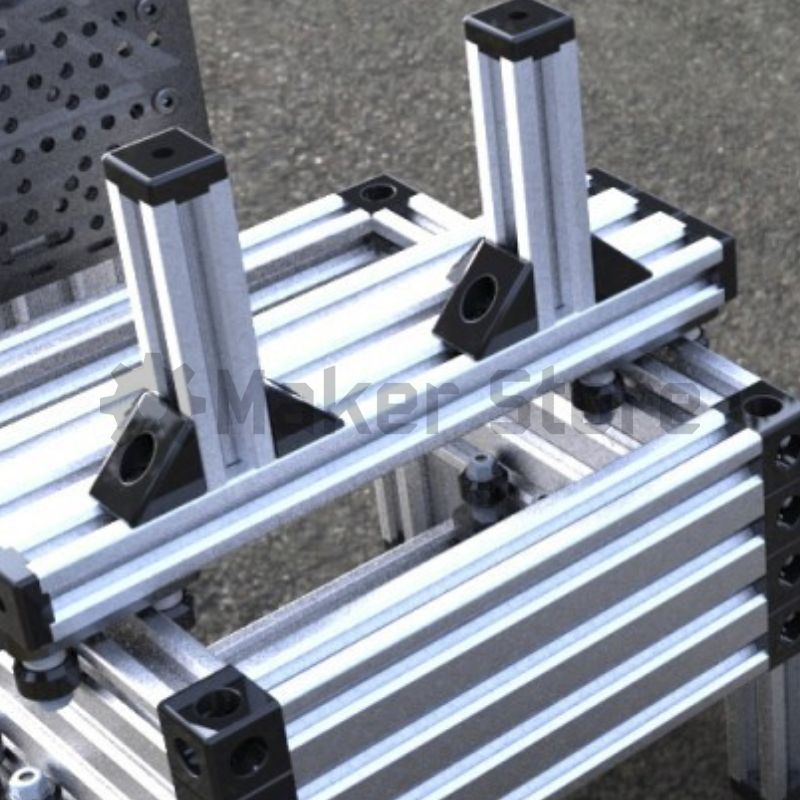
Generally, builders install 2040 linear extrusion end caps across many different projects. For example, these include modular industrial machinery, custom workstations, automated test jigs, and desktop 3D printer structures. On these frames, the caps serve as clean enclosure points. Therefore, they block foreign objects and contamination from collecting inside the inner extrusion channels.
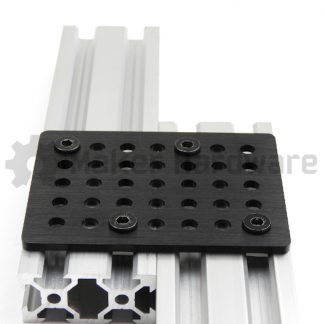
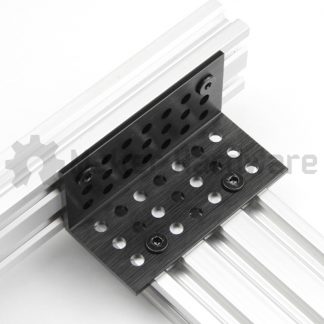
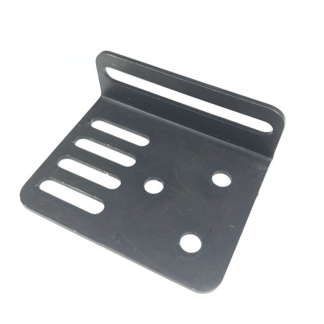
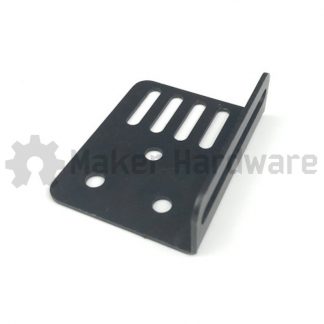
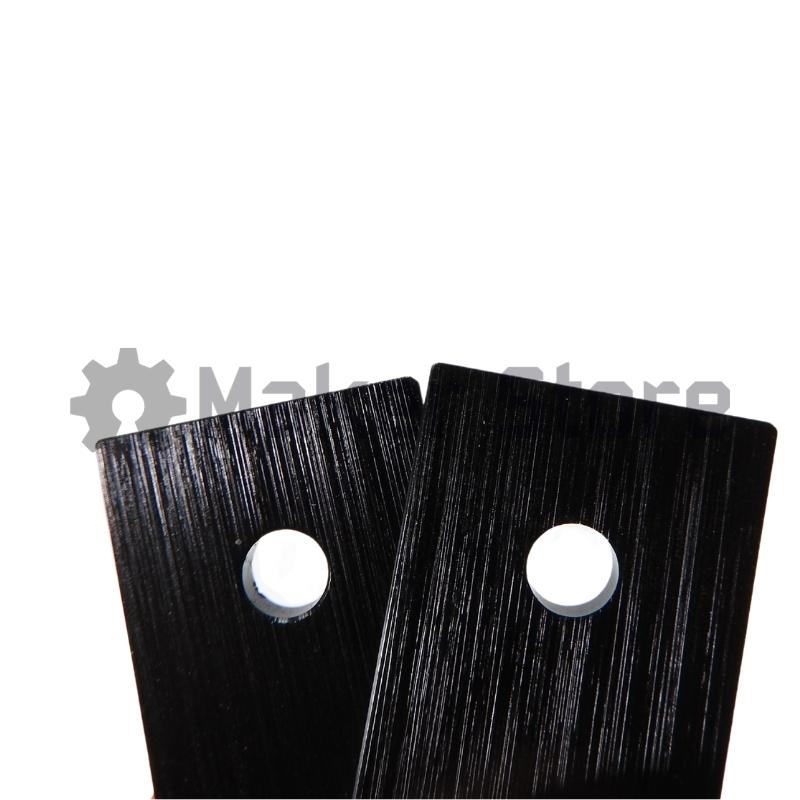
During installation, you align the end Cap Type B directly with the end profile of a 2040 rail segment. Next, you pass fasteners through the predefined mounting holes. This action secures the flat plate tightly against the raw metal face. Furthermore, the black anodized brushed surface treatment perfectly matches standard framing elements. Thus, the component ensures visual and functional consistency across light-to-medium automated equipment frames.
Maker Store Tips and Tricks
-
Use button head or low-profile screws to keep the outer face as flat as possible during final framing.
-
Verify that your fastener thread engagement depth perfectly accounts for the thickness of this aluminum plate to achieve a rigid mount.
-
Tighten the mounting screws evenly to ensure uniform clamping pressure and avoid angling the plate relative to the rail face.