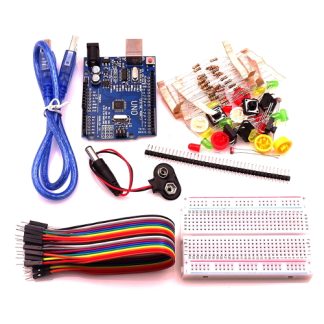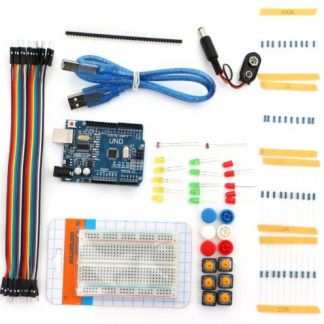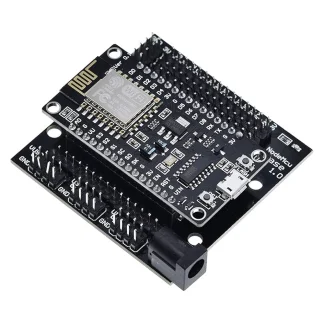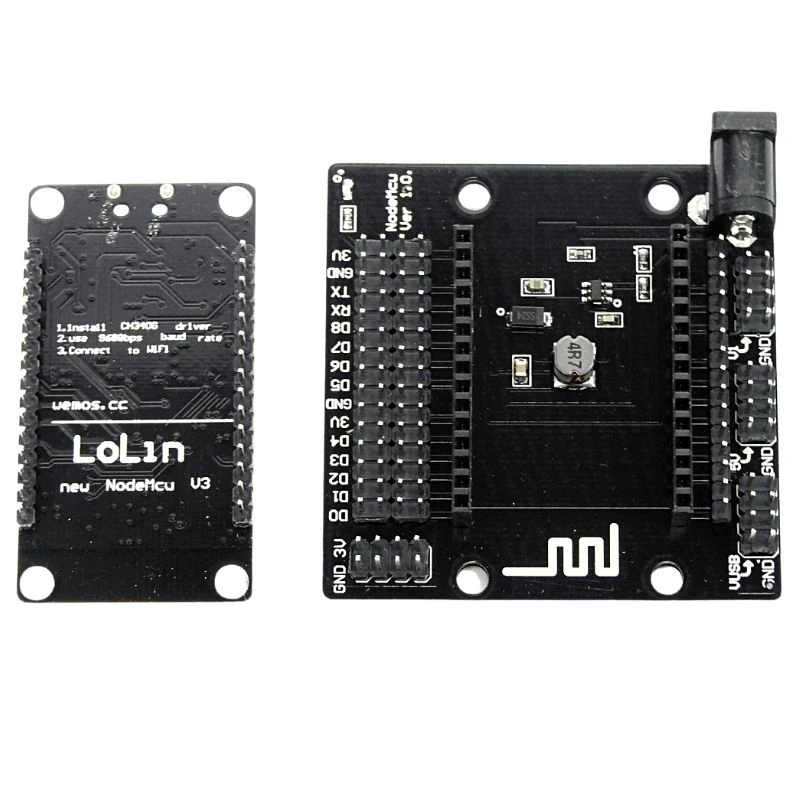
Description
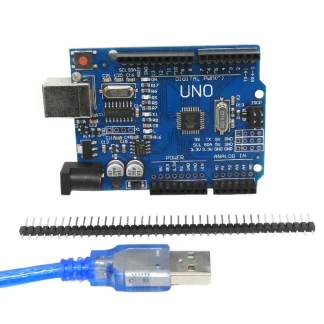
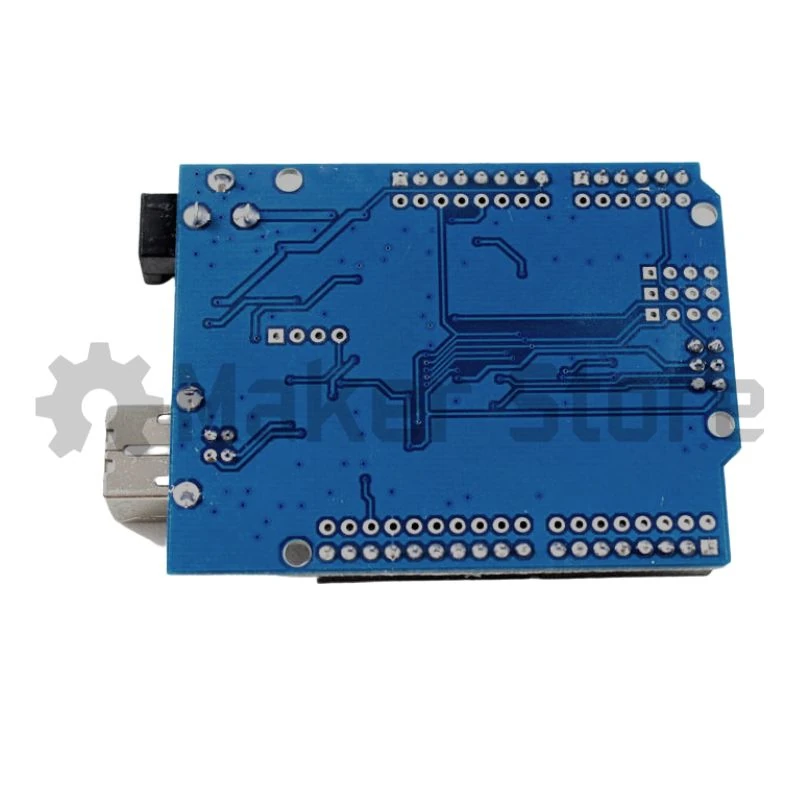
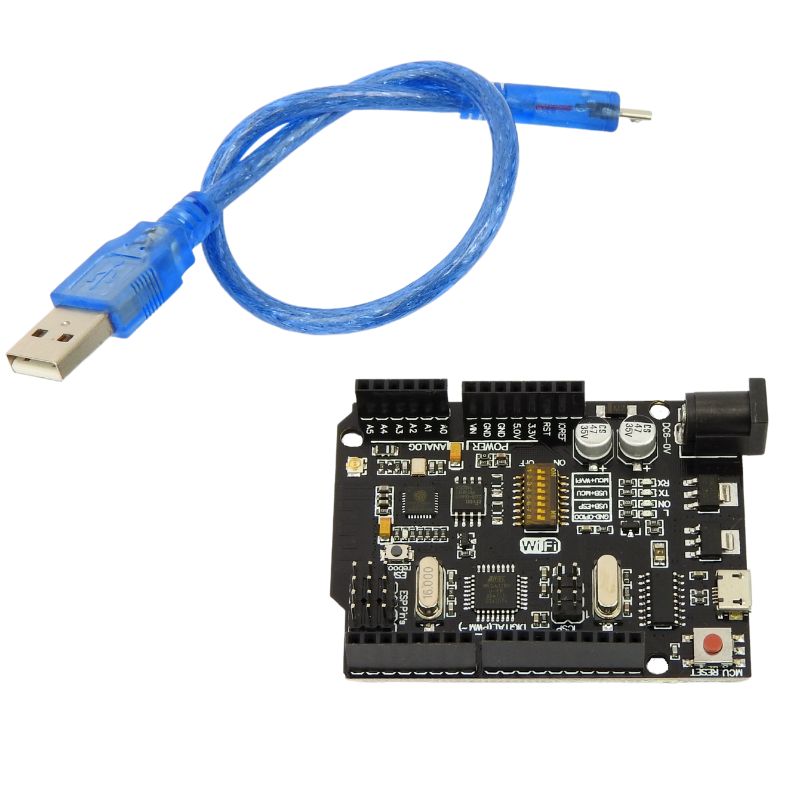
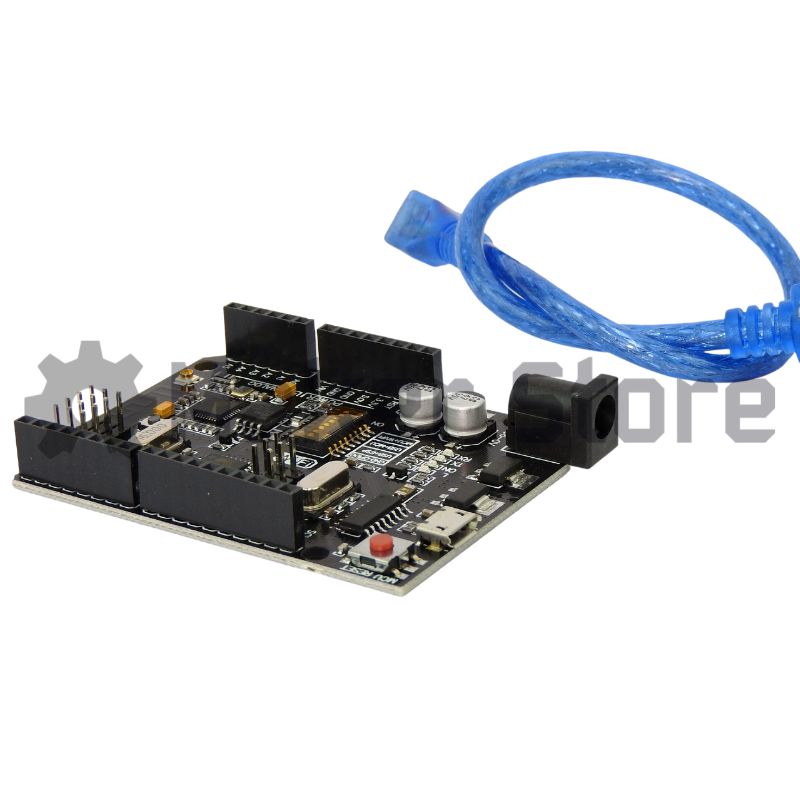
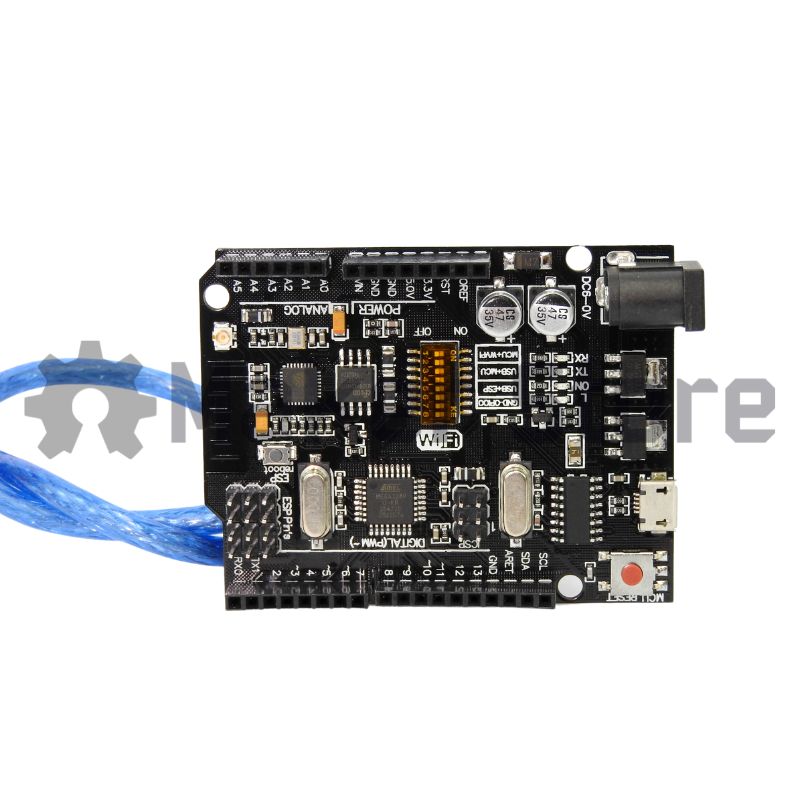
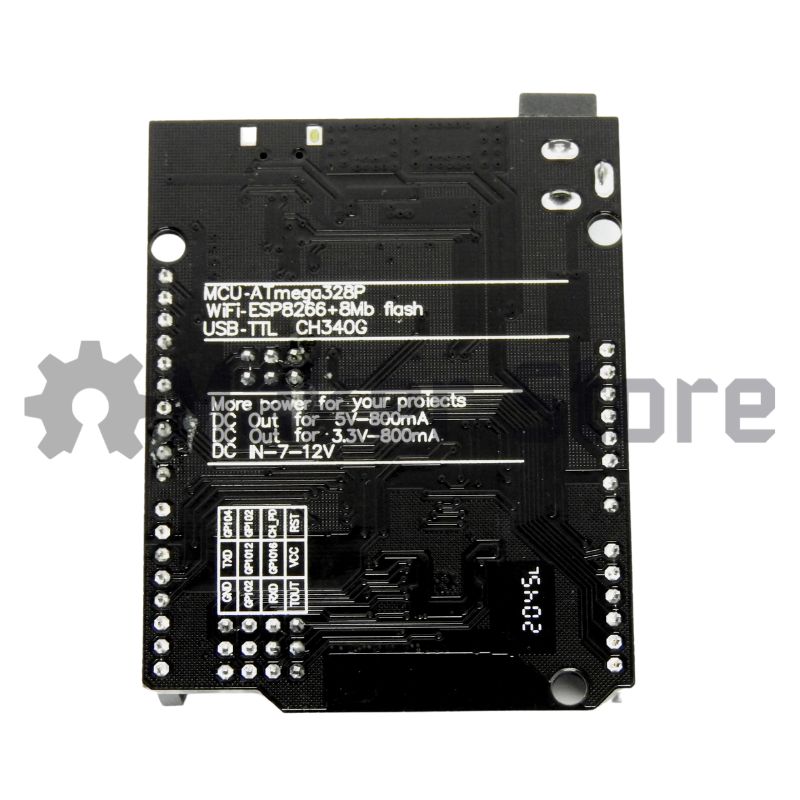
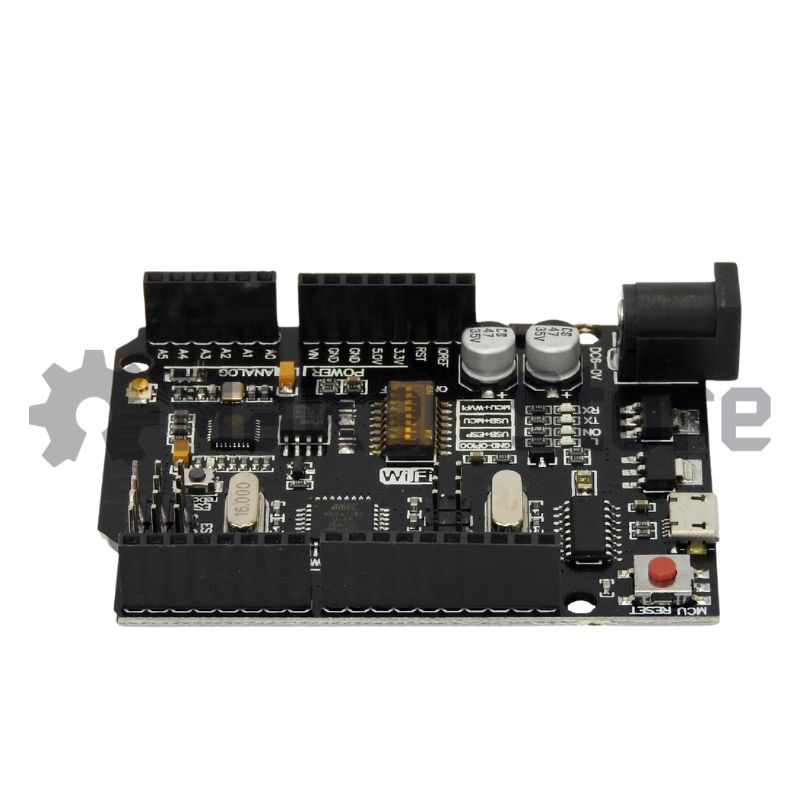
Bring your projects online effortlessly with the Arduino Uno WiFi (Compatible), a feature-rich development board that combines the classic Arduino Uno Rev3 architecture with seamless wireless connectivity. Based on the reliable ATmega328P microcontroller and integrated ESP8266 WiFi module, this board allows you to connect your devices to the cloud or local networks without the need for additional shields or modules.
Key Features:
- Integrated WiFi: The onboard ESP8266 module provides robust 802.11 b/g/n 2.4 GHz WiFi connectivity, enabling both client and access point modes for versatile IoT applications.
- Classic Arduino Uno Compatibility: Retains the familiar Uno form factor, pinout, and 16 MHz clock speed, ensuring compatibility with existing shields and codebases.
- ATmega328P Microcontroller: Offers 14 digital I/O pins (6 PWM capable), 6 analog inputs, and standard Arduino programming support.
- 32Mb (4MB) ESP8266 Flash Memory: Ample onboard memory for WiFi firmware and OTA (Over-the-Air) programming.
- USB-TTL Converter (CH340G): Reliable USB interface for programming and serial communication.
- Flexible Power Options: Operates from USB, DC jack (7–12V recommended), or battery for portable projects.
- OTA Programming Support: Upload sketches wirelessly, making updates and remote maintenance easy.
- Built-in TCP/IP Stack: The ESP8266 handles all networking protocols, simplifying your code and offloading the main microcontroller.
- I2C, SPI, UART Support: Easily interface with a wide range of sensors, displays, and modules.
Specifications:
| Feature | Details |
|---|---|
| Microcontroller | ATmega328P |
| WiFi Module | ESP8266 (802.11 b/g/n, 2.4 GHz) |
| Flash Memory (ESP8266) | 32Mb (4MB) |
| Digital I/O Pins | 14 (6 PWM) |
| Analog Inputs | 6 |
| Operating Voltage | 5V |
| Input Voltage | 7–12V (recommended) |
| USB Interface | CH340G |
| Dimensions | 68.6 x 53.4 mm |
| Programming | USB or OTA (Over-the-Air) |
Applications:
- IoT devices and prototypes
- Home automation and smart appliances
- Wireless sensor networks
- Remote data logging and monitoring
- Educational projects and STEM learning