Description
Technical Overview
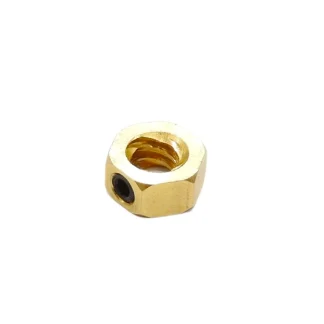
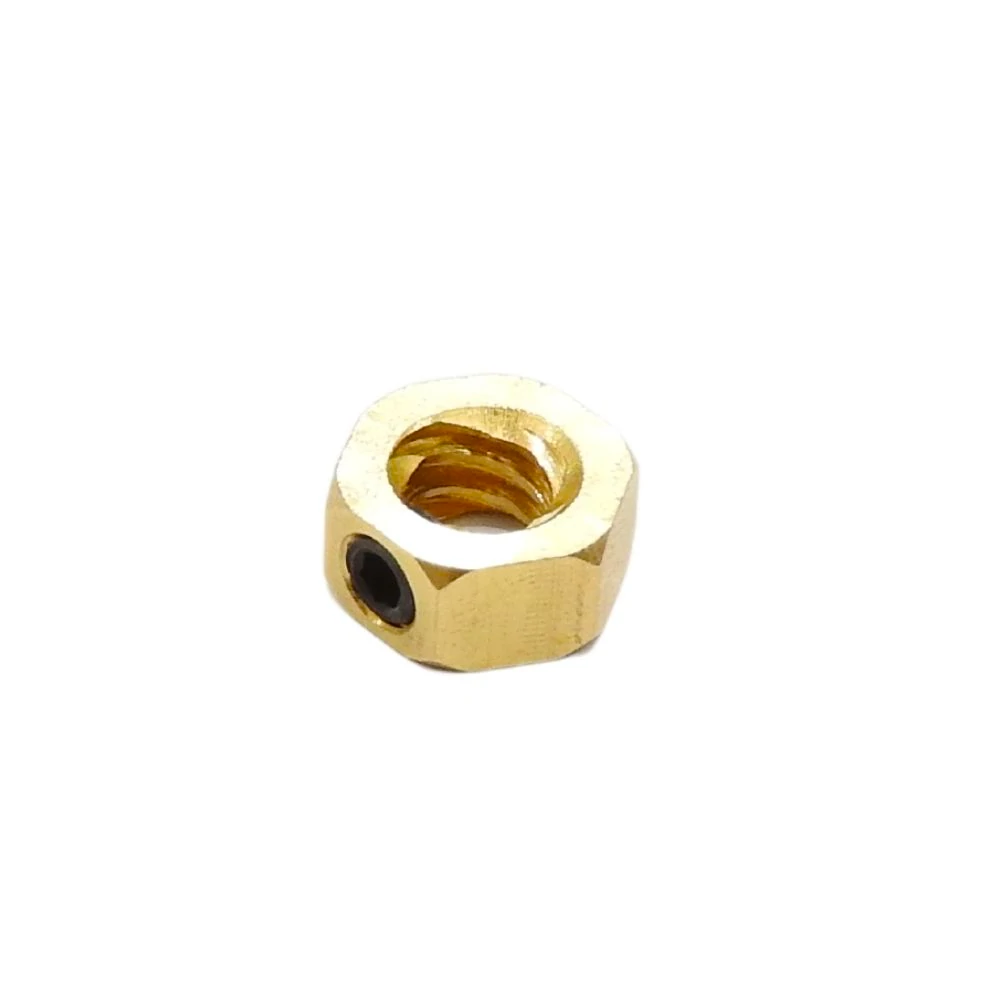
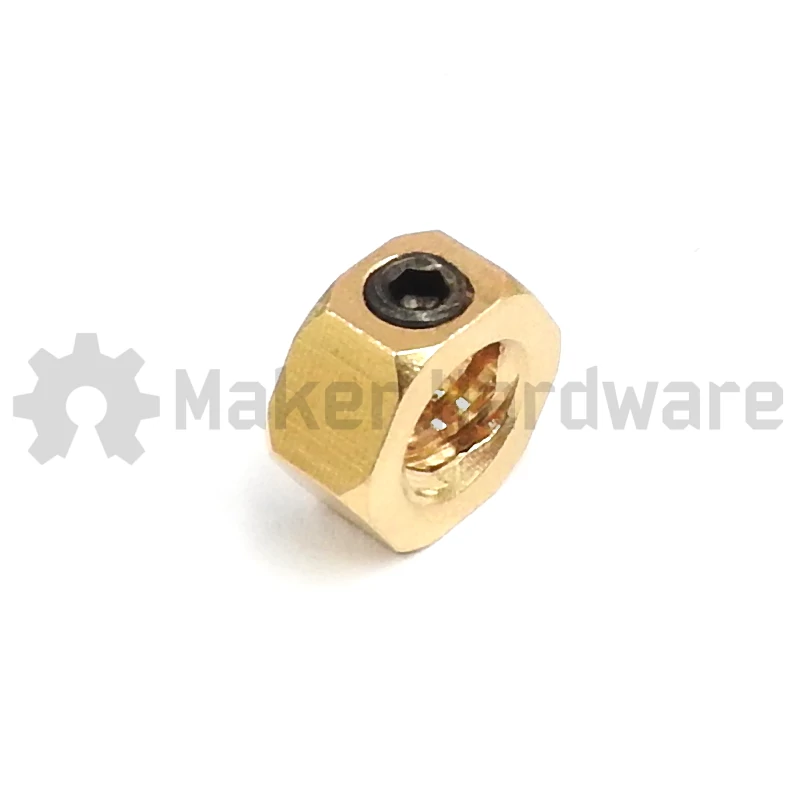
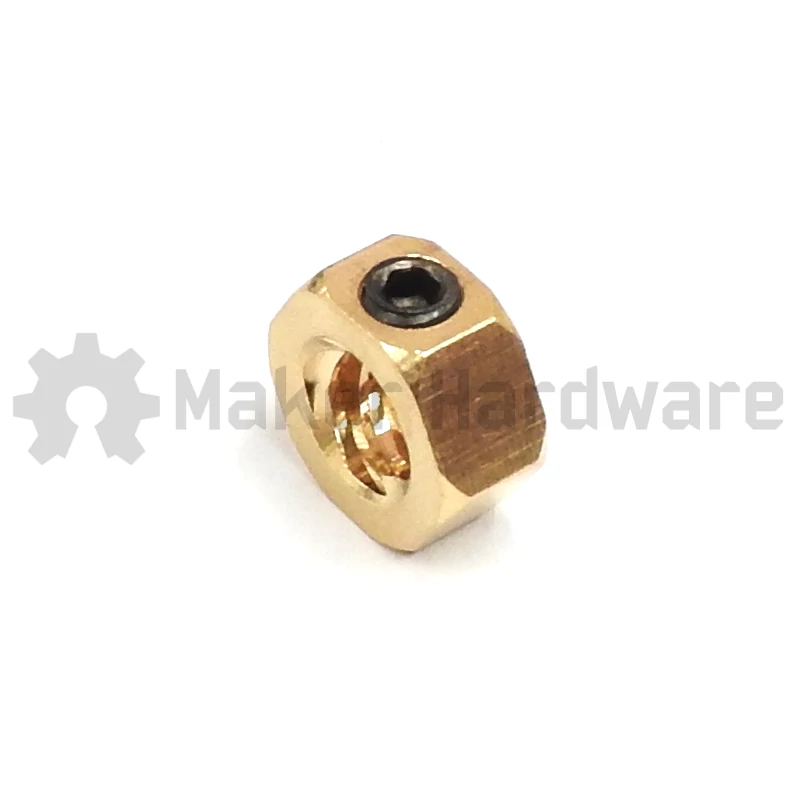
Linear motion systems use the lead screw tensioning nut to place a lead screw under axial tension. This specialized hardware component functions by pulling the screw taut. Consequently, this tension prevents sagging and significantly reduces vibrations at high rotating speeds.
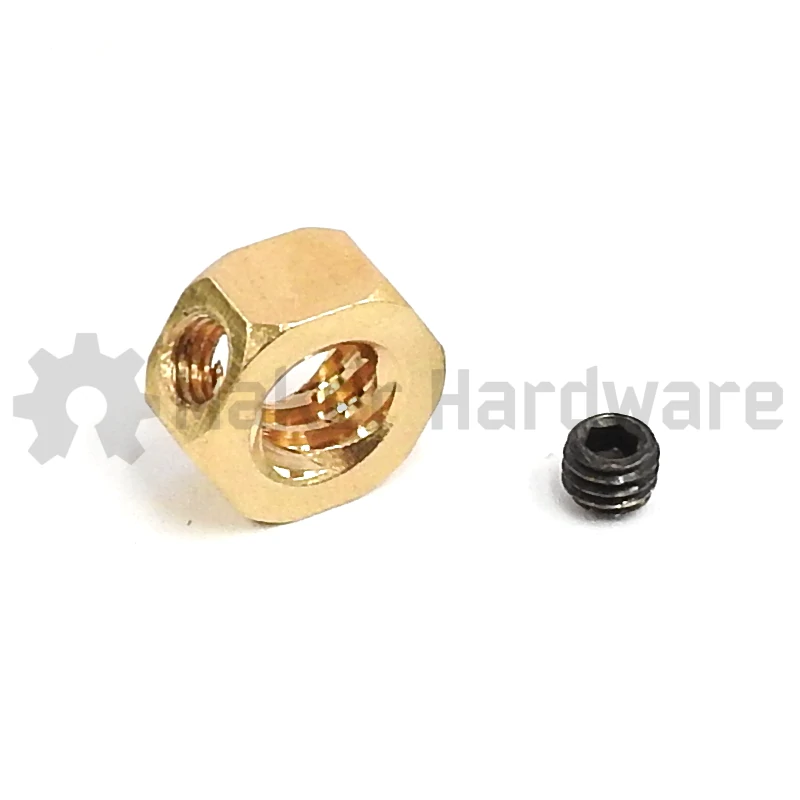
To integrate into a system, the component pulls the screw tight along its length. In addition, it typically works in conjunction with a thrust bearing at the end of an axis. Once you achieve the optimal tension, an integrated set screw or grub screw firmly locks the nut onto the threads.
Applications
Operators primarily apply this hardware in CNC machines, 3D printers, and related linear motion systems. Specifically, these systems utilize long lead screws that exceed 1000mm in length. Furthermore, the nut works exceptionally well in machinery that operates at high speeds. In these scenarios, engineers must eliminate “screw whip,” which is the disruptive vibration and wobbling effect caused by long, unsupported screws. As a result, this component successfully maintains rigidity and smoothness.
To establish stable tension, you typically tighten the nut against a thrust bearing at the axis end. Moreover, technicians often utilize a dual-nut configuration that pulls in opposite directions to secure the assembly.
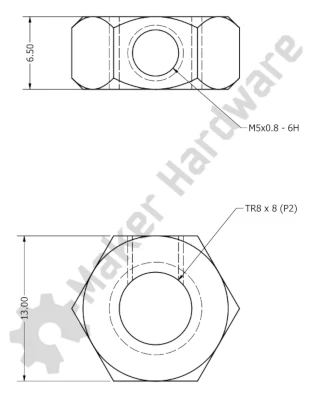
Specifications:
|
 |
Maker Store Tips and Tricks
-
Ensure the tensioning nut is paired with thrust bearings to absorb pulling forces without restricting screw rotation.
-
Use lock collars to help secure the bearings and the tensioning nut into position firmly against the machine frame.
-
Pair this system with anti-backlash nuts on the lead screw to maintain travel precision during directional changes.