Description
Technical Overview
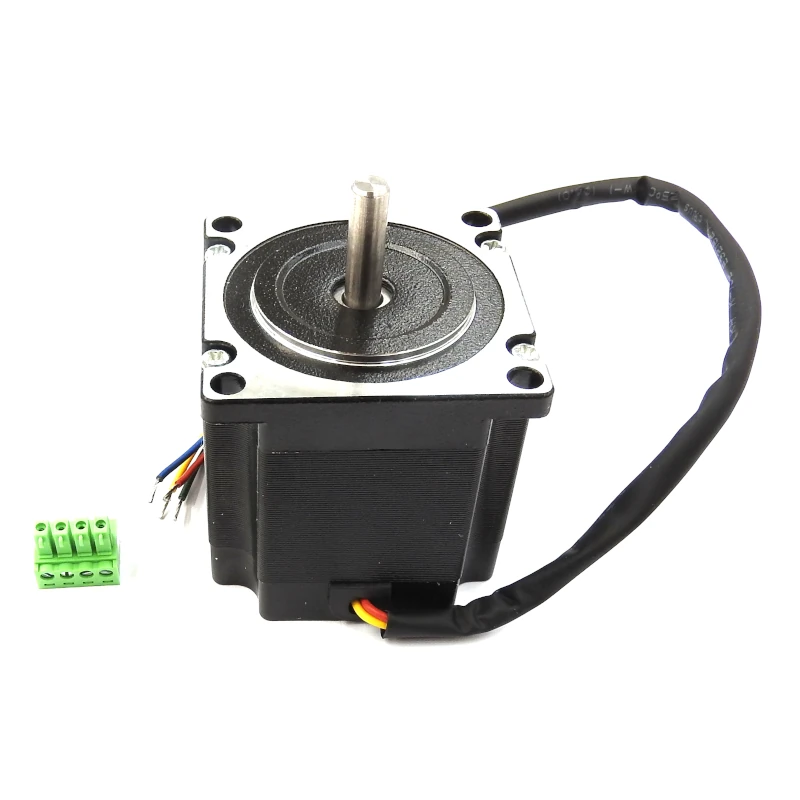
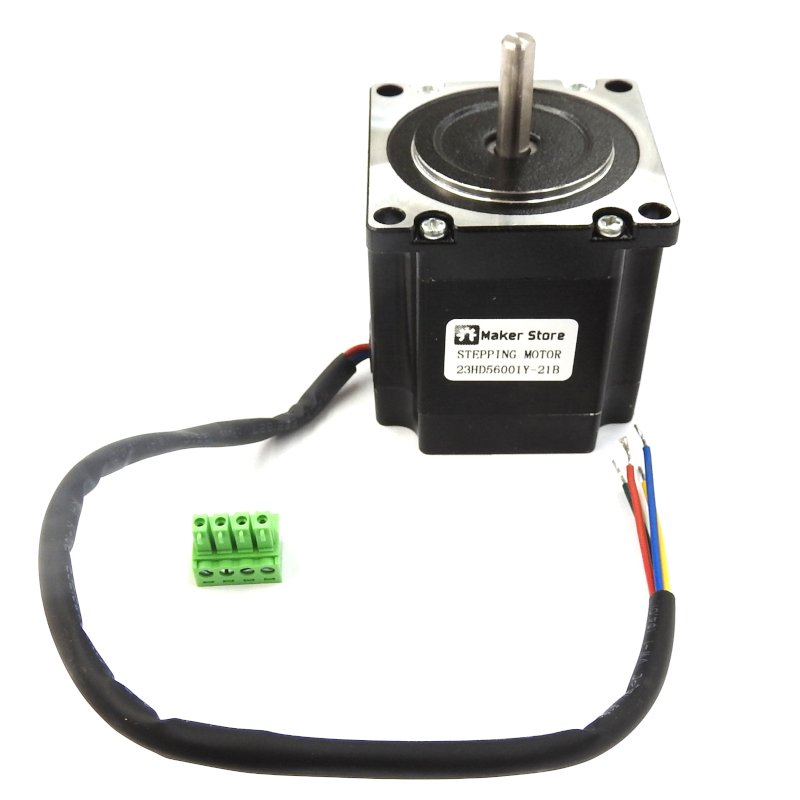
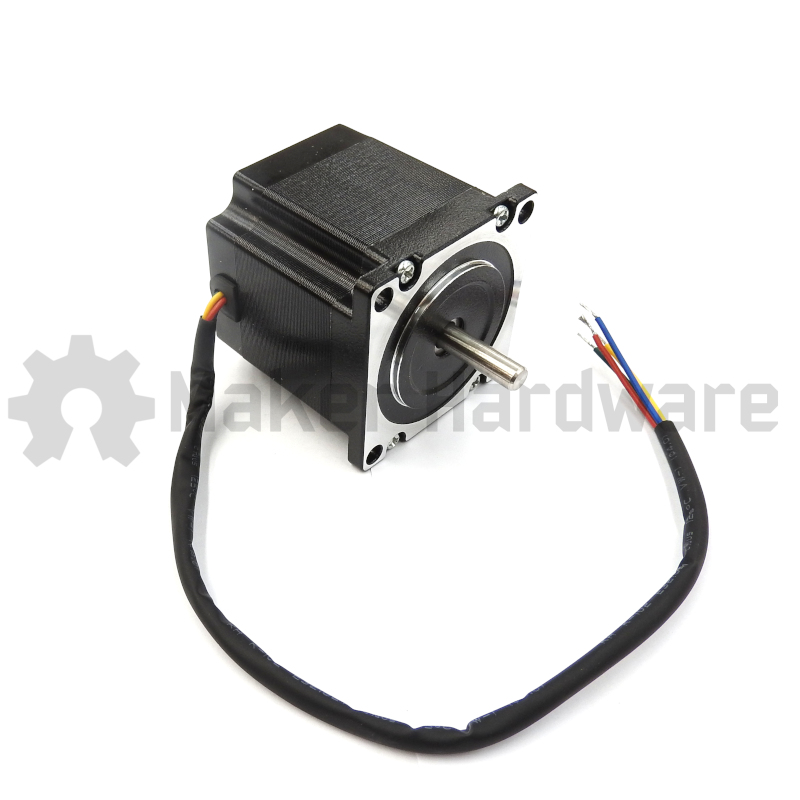
Linear motion and automated systems use the Nema 23 Stepper Motor (1.26 N.m) to achieve precise angular or linear positioning. This mid-sized, high-torque motor features a 1.26 N·m (Newton-meter) holding torque rating. Consequently, this rating makes the component ideal for applications that require stronger resistance to turning under load than smaller alternatives, such as Nema 17 motors.
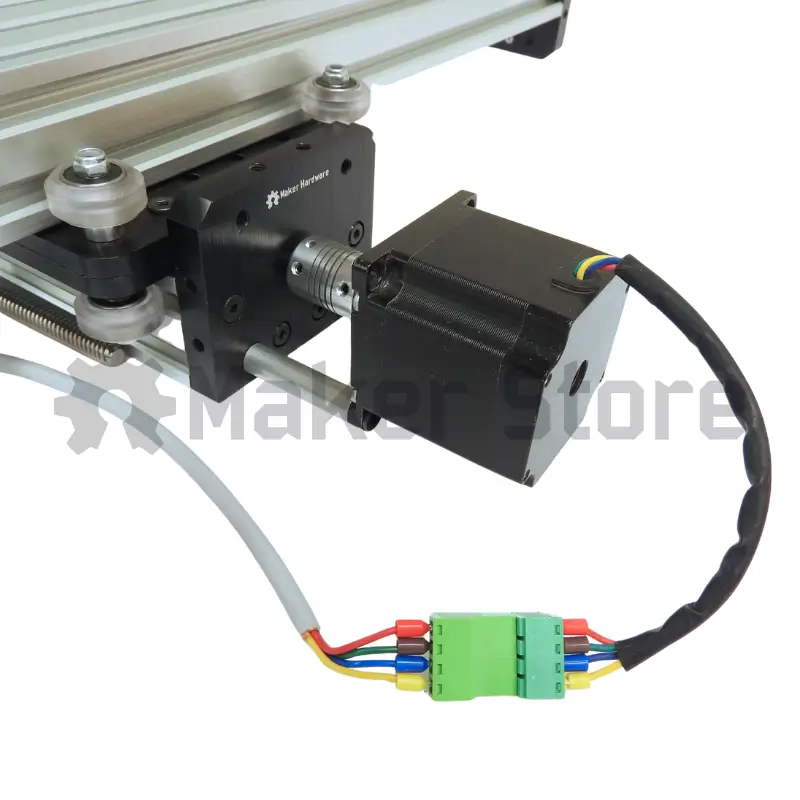
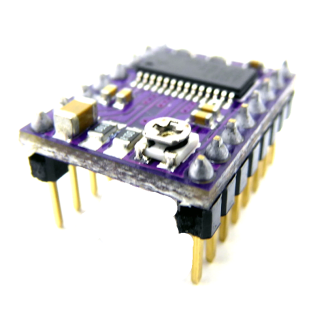
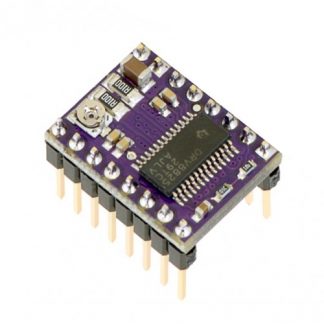
To integrate into a system, operators typically pair this motor with a constant current microstepping driver, such as a TB6600 unit. In addition, technicians connect the assembly to a controller, like an Arduino or Raspberry Pi, to achieve precise step-by-step rotation. Once you configure the drive electronics, the motor reliably translates electrical pulses into exact mechanical movements.
Applications
Operators primarily utilize this hardware in CNC routers, milling machines, and heavy-duty 3D printers. Within CNC systems, the motor acts as the primary drive to move the gantry or spindle across linear rails. Furthermore, for users upgrading from smaller motors, it allows for deeper and faster milling on materials like wood and aluminum. The component also works exceptionally well in large-format 3D printers that require robust extruders or heavy movement mechanisms.
To ensure highly accurate cuts and raster patterns, the motor drives laser heads smoothly along the X and Y axes in laser cutters and engravers. Moreover, automated factories frequently deploy this motor within pick-and-place machines, automated conveyors, and packaging equipment. Because of its reliable torque profile, specialized machinery builders also install the motor in textile equipment, medical imaging machinery, and automated stage lighting rigs.
Technical Specifications
Motor Data Sheet:
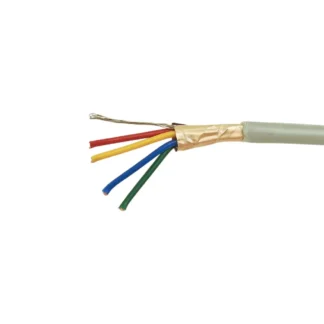
Click HERE to Download DatasheetDon’t forget to grab some 4 Core Shieded Cable!
Maker Store Tips and Tricks
-
Ensure you configure the current limits correctly on your microstepping driver to match the motor rating before applying full power.
-
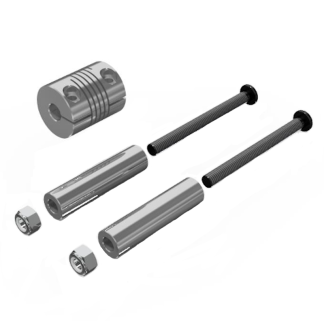
Use flexible shaft couplings when connecting the motor to lead screws or ball screws to prevent mechanical binding and axis misalignment.
-
Periodically check the structural mounting bolts and motor wiring connections in high-vibration CNC routing environments to maintain system precision.