Description
Technical Overview
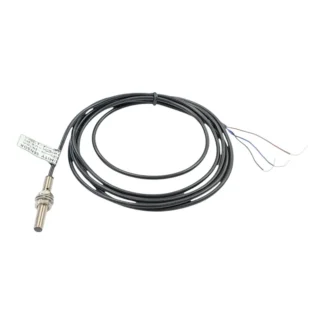
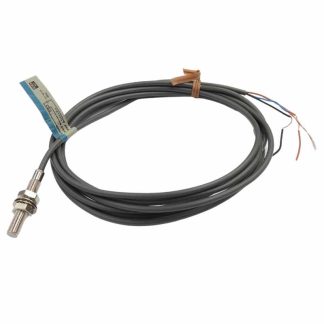
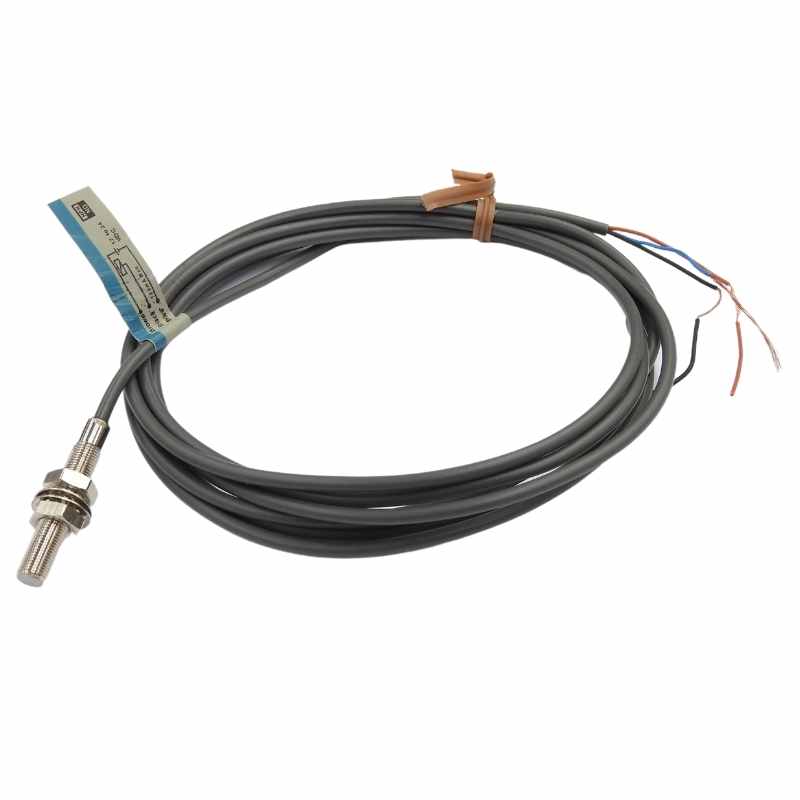
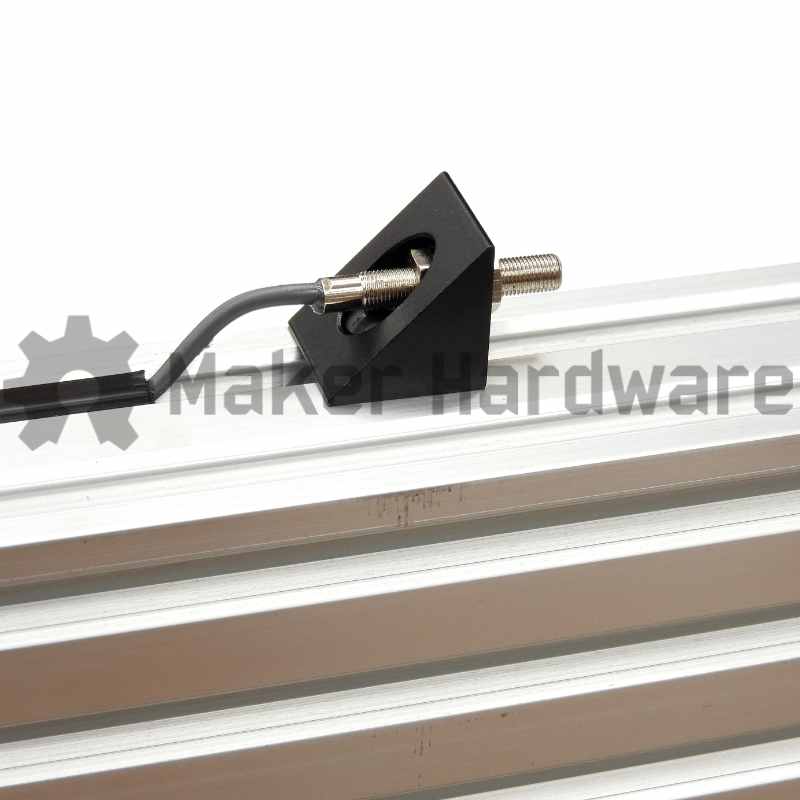
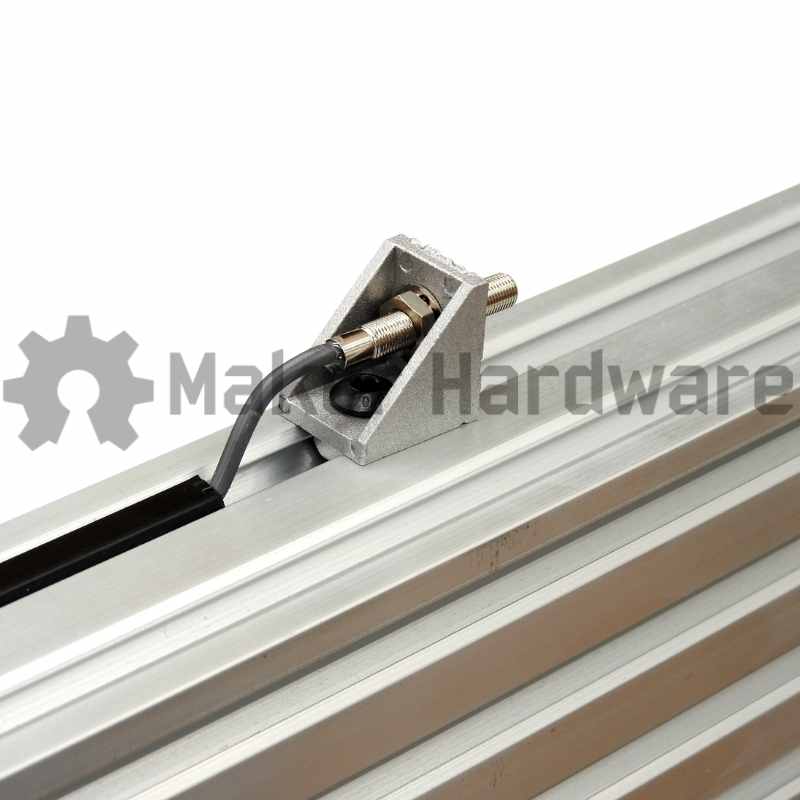
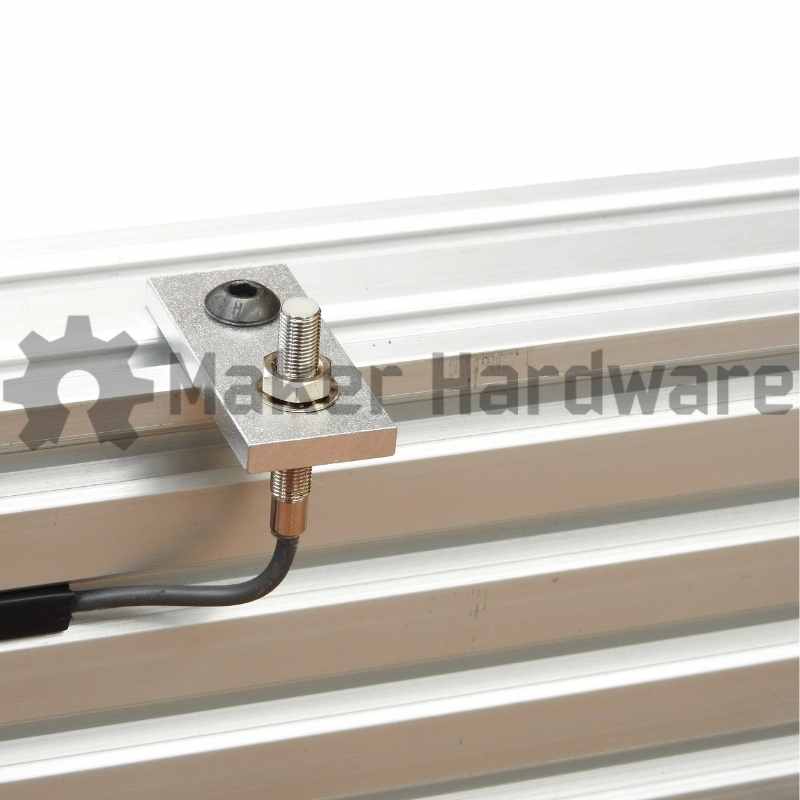
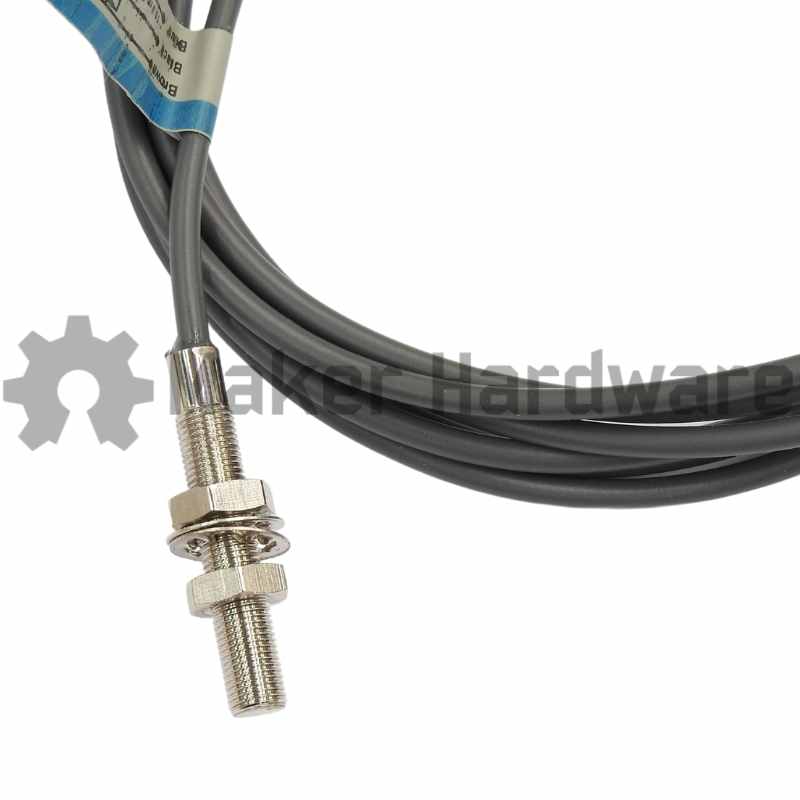
The M5 inductive proximity sensor functions as a non-contact electronic switch to detect metallic objects within space-constrained environments. To achieve this, the device’s 5mm threaded cylindrical barrel continuously emits an electromagnetic field. As soon as a target metal enters the dedicated detection zone, this field immediately triggers an electronic signal.
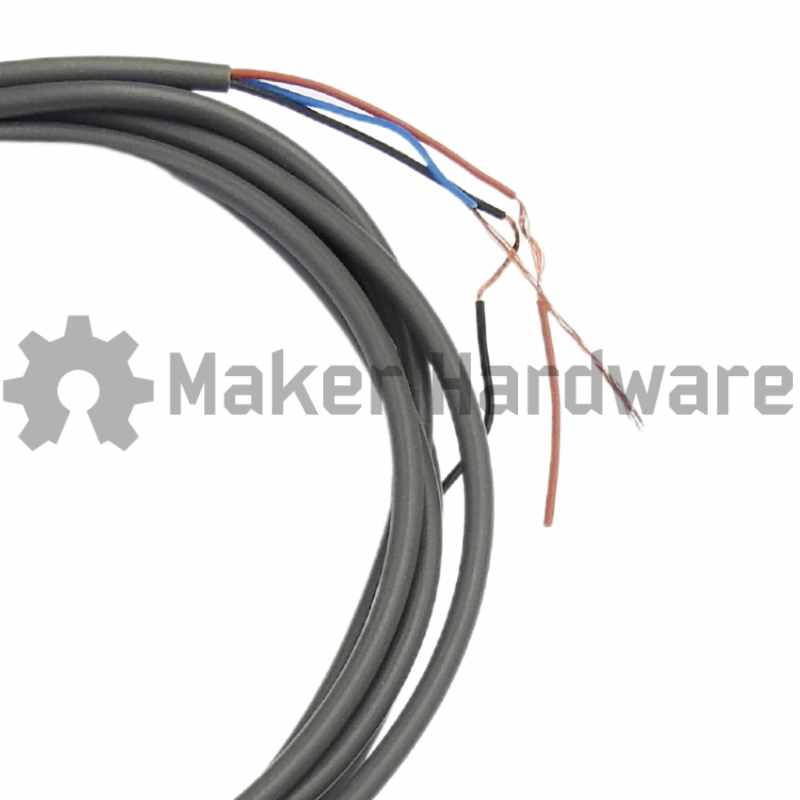
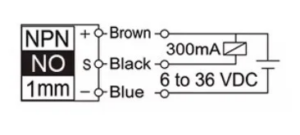
In terms of its electrical design, the sensor utilizes an NPN transistor configuration. Consequently, this setup provides a sinking output that connects the output signal directly to ground (0V) upon activation. Furthermore, because the manufacturer structured it as a Normally Open (NO) device, the sensor maintains an open circuit in its resting state. Ultimately, the device closes the circuit and passes a signal only when it detects a metallic object.
Applications
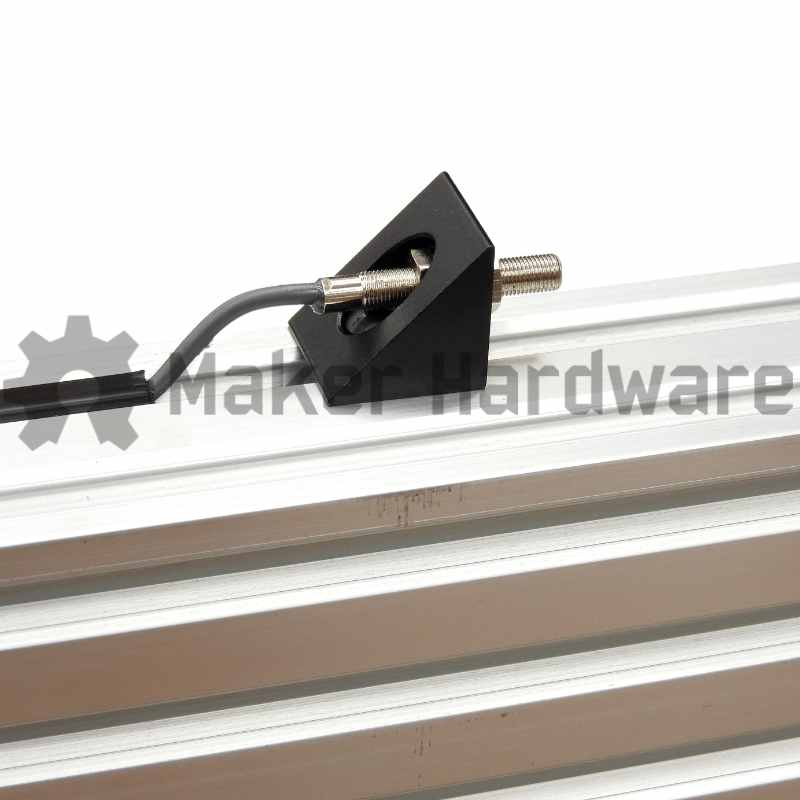
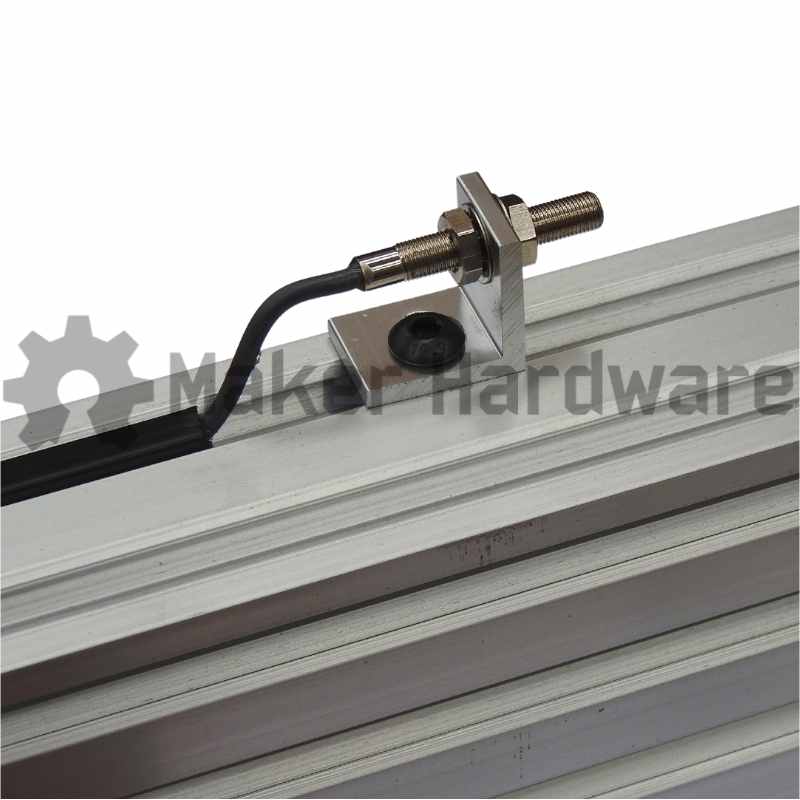
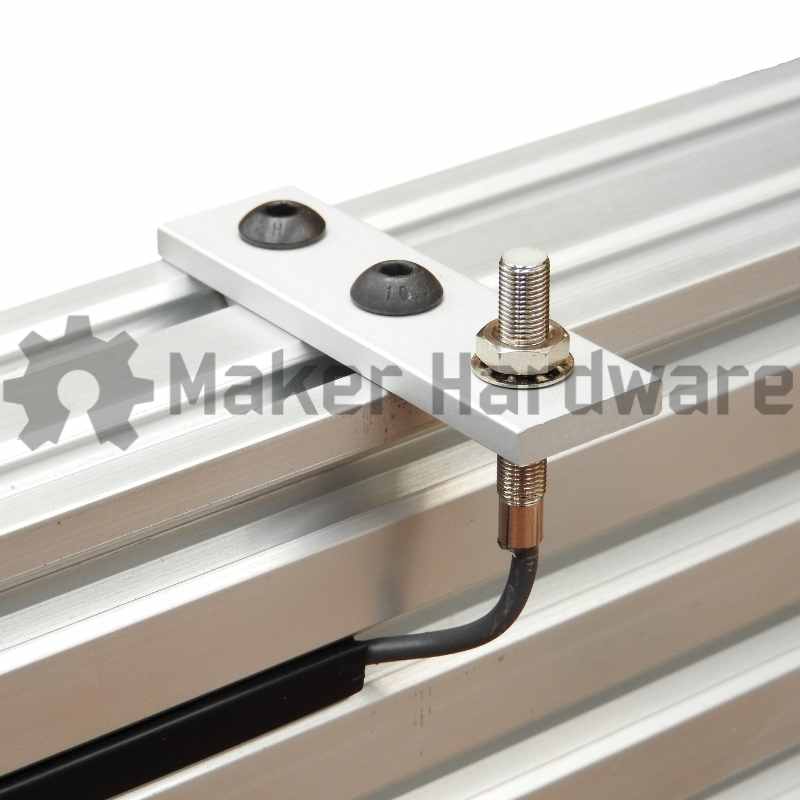
Due to their compact design, operators commonly employ these miniature inductive proximity sensors as end-stops, limit switches, or homing mechanisms within automated systems. Therefore, engineers frequently integrate them into CNC routers, 3D printers, and automated machinery where tasks demand precise, compact positioning.
In addition to these uses, facilities utilize the sensor in industrial automation layouts for part counting, precise positioning, and speed monitoring along light manufacturing and assembly lines. Moreover, because the non-contact design completely eliminates mechanical wear, the sensor ensures consistent metal detection whenever users integrate it into space-constrained control systems.
Technical Specifications
Maker Store Tips and Tricks
-
Ensure the target metal crosses fully into the sensing field to guarantee reliable signal triggering.
-
Isolate sensor cabling from high-voltage motor wires to mitigate electromagnetic interference in the circuit.
-
Regularly verify the mechanical security of the M5 mounting nuts in high-vibration applications like CNC routers or 3D printers.