Description
Technical Overview
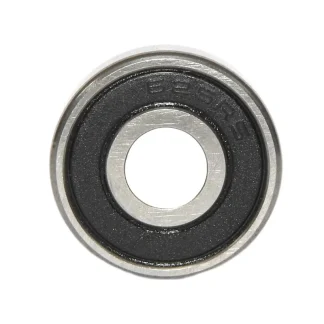
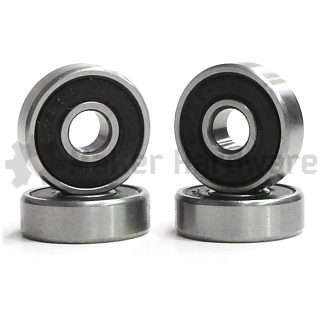
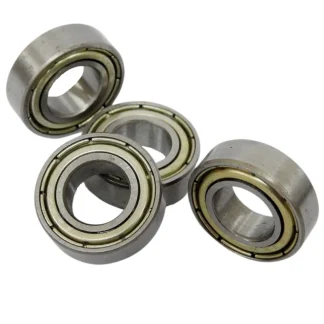
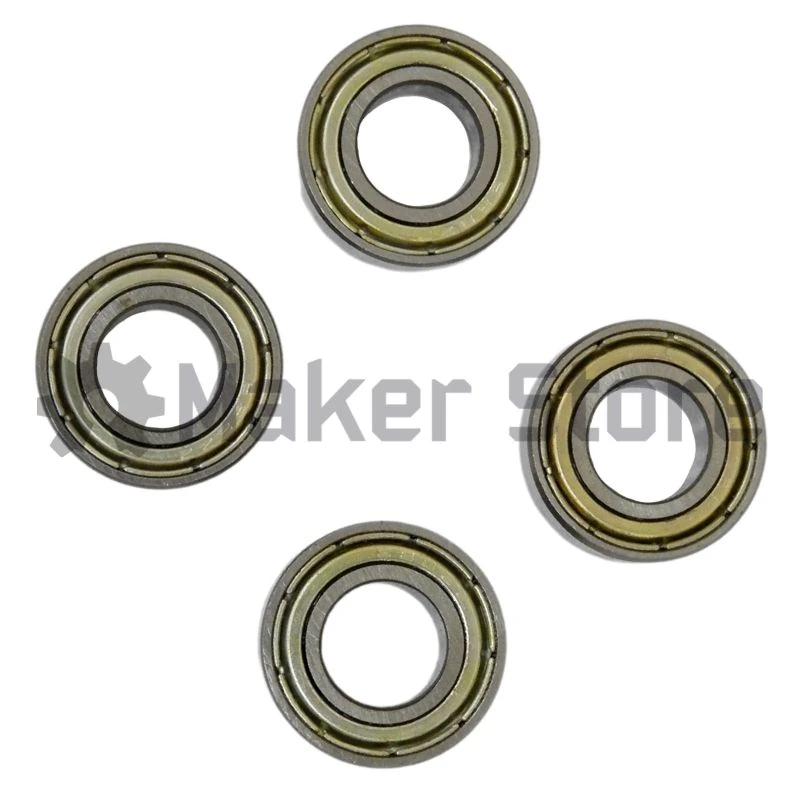
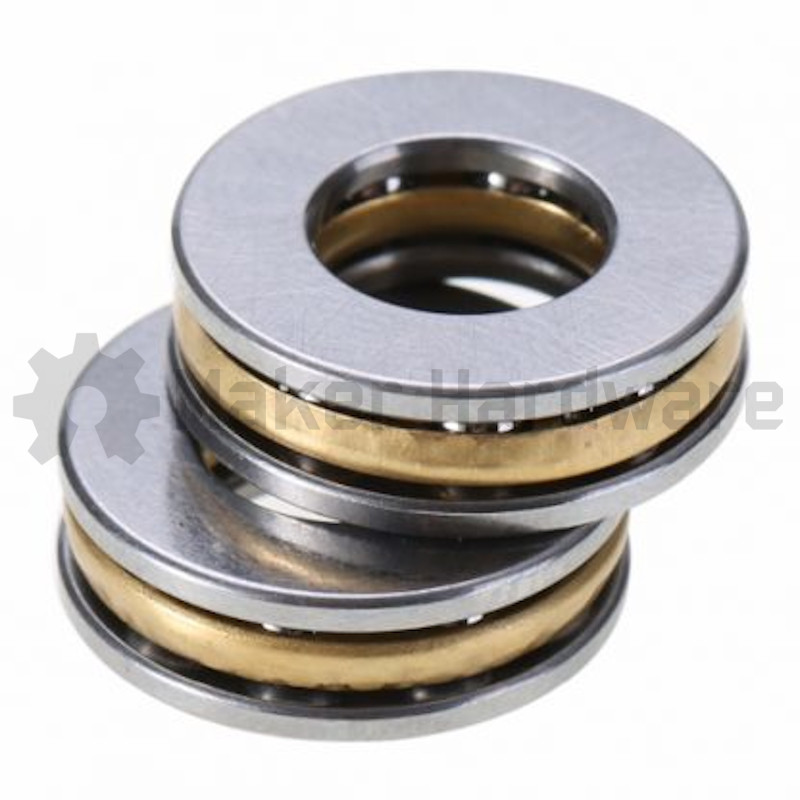
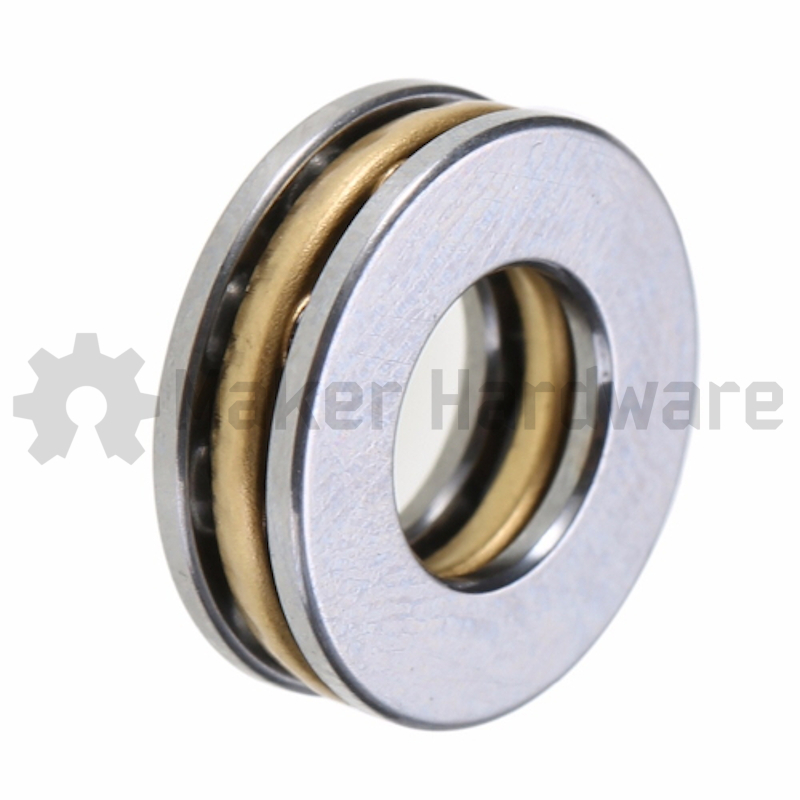
Linear motion and machining systems use the thrust bearing to support axial loads. This specialized rotary bearing manages intense pushing and pulling forces acting parallel to the axis of the shaft. Standard bearings typically handle radial forces that push from the side. In contrast, this component handles forces along the length of the shaft to ensure smooth rotation. Consequently, this operation prevents machine drift and maintains system stability.
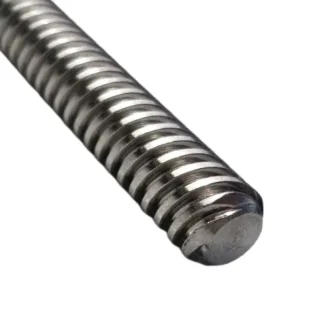
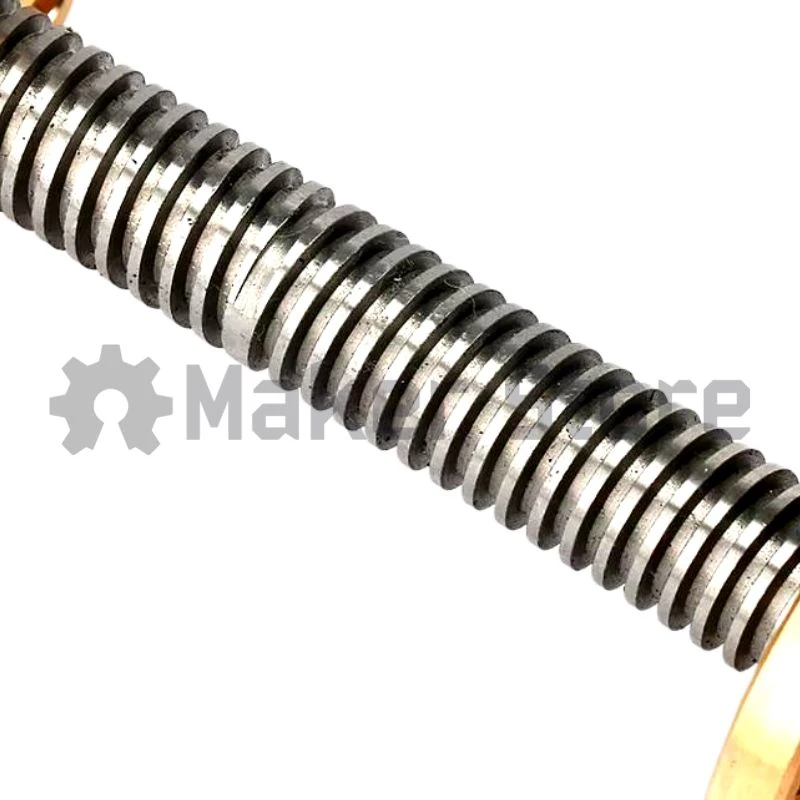
To integrate into a system, the component mounts along the shaft to absorb unidirectional or bidirectional linear forces. Technicians often pair these bearings with ball screws or lead screws within a machine assembly. Once you apply the operating forces, the bearing redirects the axial stress into the machine frame. As a result, this arrangement protects other internal drive elements from premature wear and damage.
Applications
Operators primarily utilize this hardware in CNC machines, vertical machining centers, and automated feed drives. Within these systems, the component provides critical spindle support to counter heavy gravitational pulls on the cutting tool. Furthermore, it manages the intense upward or downward pressure exerted during drilling operations. The bearing works exceptionally well in feed drives and ball screw assemblies that move heavy gantries or machine tables. In these scenarios, ball screws generate massive linear pushing forces. The bearing locks the lead screw in place and absorbs these driving forces to deliver high mechanical stiffness and zero backlash.
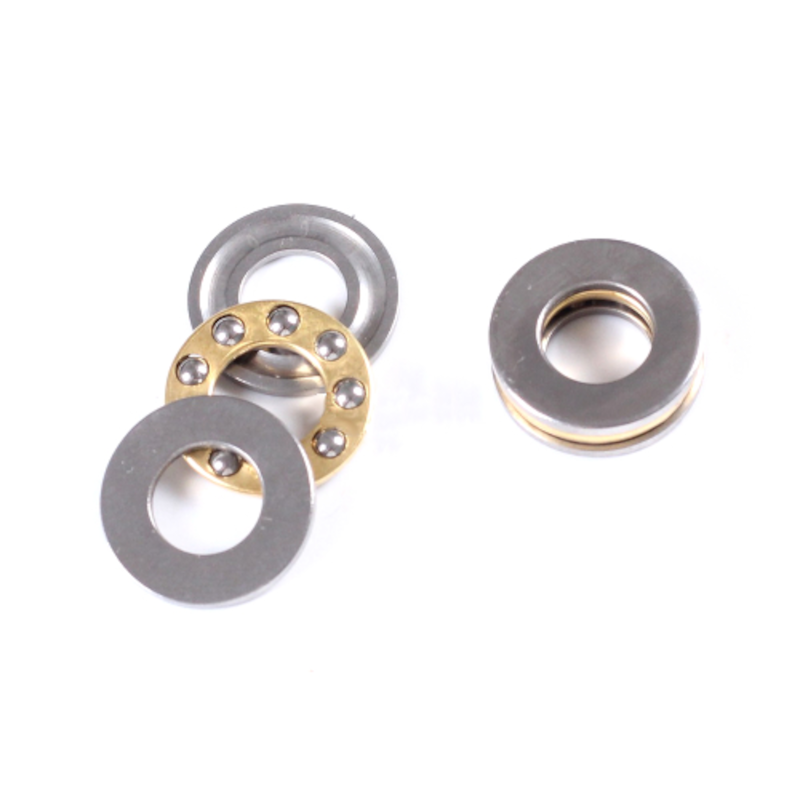
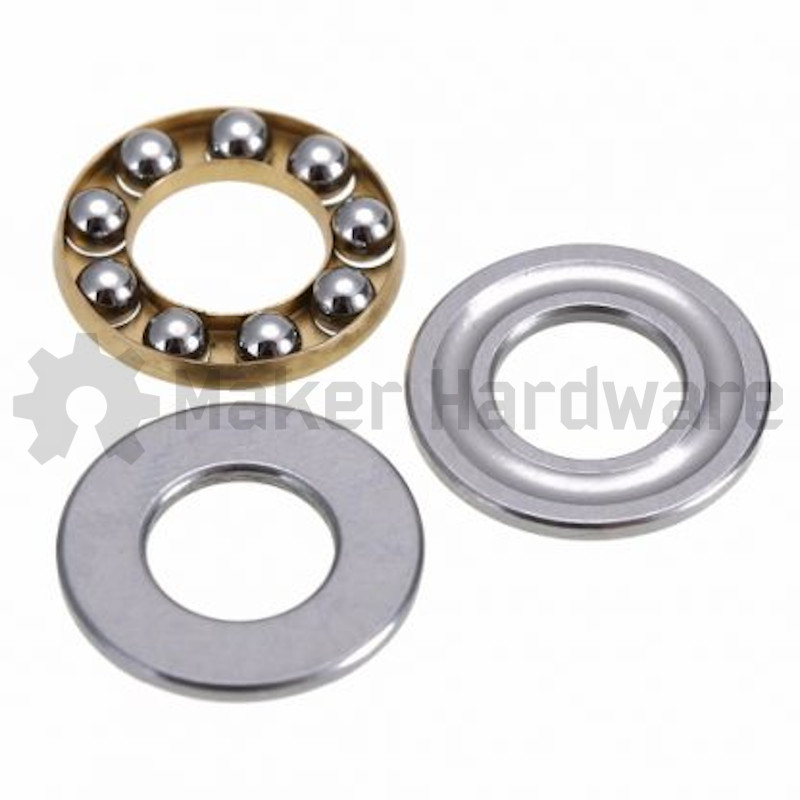
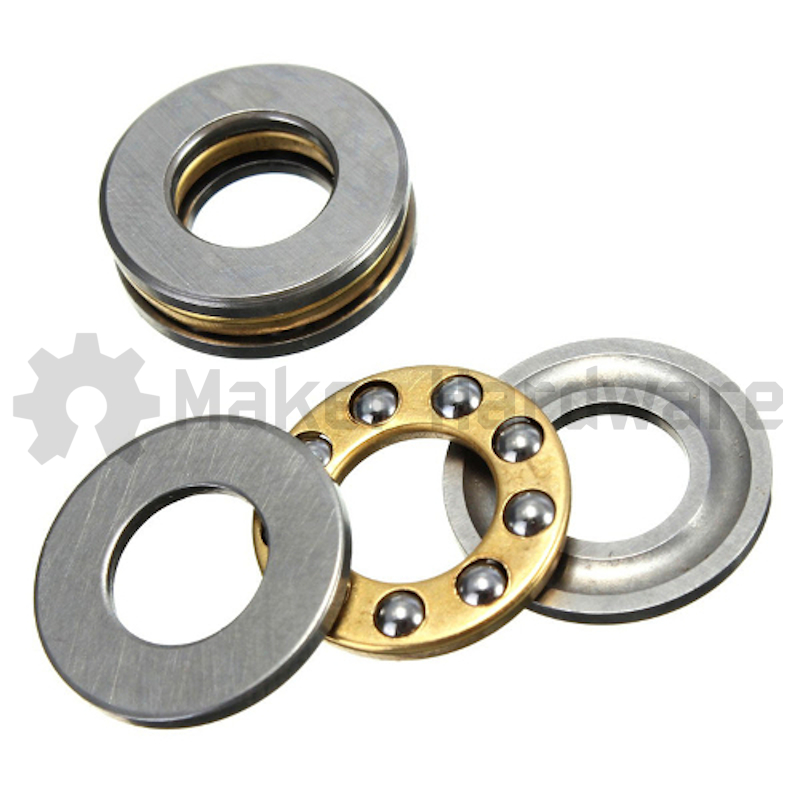
To maintain machining precision, the bearing absorbs direct cutting resistance during heavy face milling or drilling. Specifically, these cutting forces push directly against the axis of the machine. The component successfully absorbs this shock, which ensures consistent, chatter-free cuts. Technicians commonly select thrust ball bearings for handling axial loads at relatively high speeds. Moreover, these assemblies utilize specialized bearing washers and a robust cage of steel balls to optimize performance.
Technical Specifications
Maker Store Tips and Tricks
-
Ensure you align the bearing washers perfectly parallel during installation to prevent uneven load distribution.
-
Always distinguish between the shaft washer (tight fit) and the housing washer (loose fit) for correct seating.
-
Periodically inspect and replenish lubrication within the ball cage to ensure smooth high-speed rotation and reduce wear.